

Disclosure: CytoMed Therapeutics Limited has paid FRC a fee for research coverage and distribution of reports. See last page for other important disclosures, rating, and risk definitions.
Key Risks
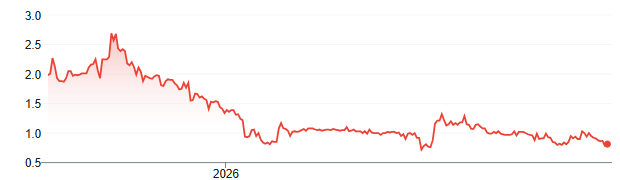
Price and Volume (1-year)
* CytoMed Therapeutics has paid FRC a fee for research coverage and distribution of reports. See last page for other important disclosures, rating, and risk definitions. All figures are in US$.
Company Overview
CytoMed is a clinical-stage biotechnology company developing off-the-shelf therapies for cancers and other diseases.
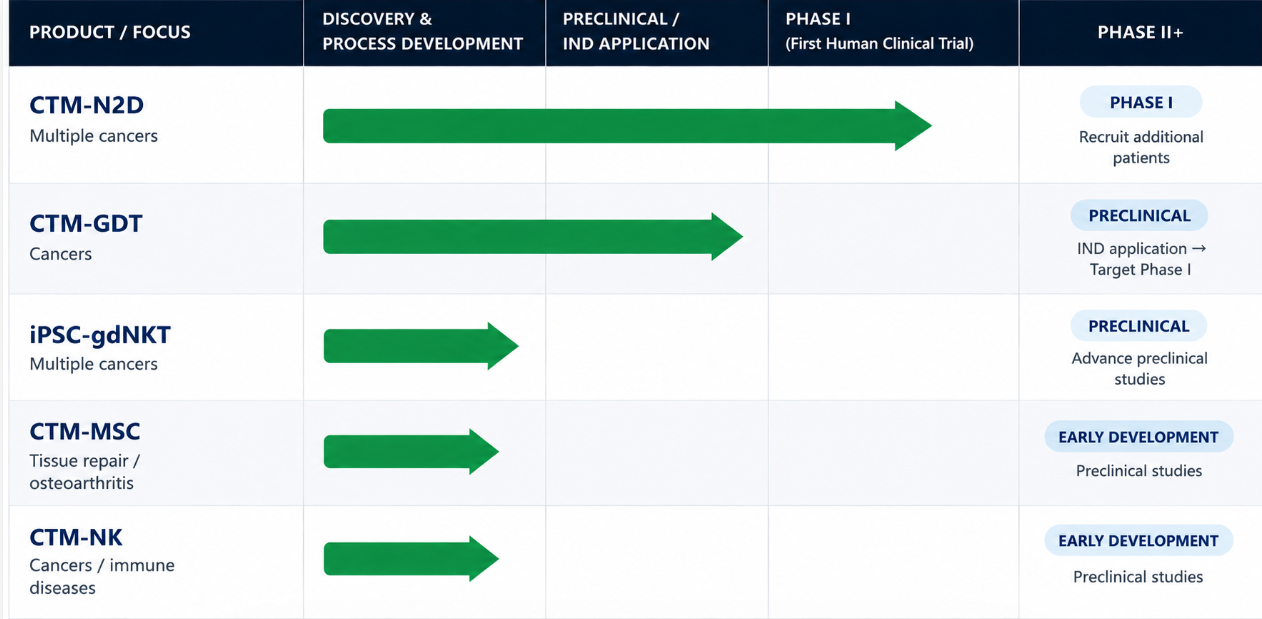
Product Pipeline – Development Stage
* IND (Investigational New Drug) application — an application for permission to begin human clinical trials.
Source: Company / FRC
Five product candidates at various stages of development, with CTM-N2D being the most advanced, and currently in Phase I
CTM-N2D (Flagship): Developed by CytoMed; underlying technology exclusively licensed through patent expiry in 2038, with patents granted in the U.S., Europe, China, and Malaysia
CytoMed’s core technologies originated from research at A*STAR (Agency for Science, Technology and Research), Singapore’s government research agency. The company licensed these technologies, and has advanced them into therapeutic candidates, while also developing proprietary cell-based treatment technologies.
CytoMed conducts research in Singapore, and operates an in-house cell manufacturing facility in Johor, Malaysia.
Royalties are undisclosed, but fall in the low single digit range of revenue
CTM-N2D — Lead Program
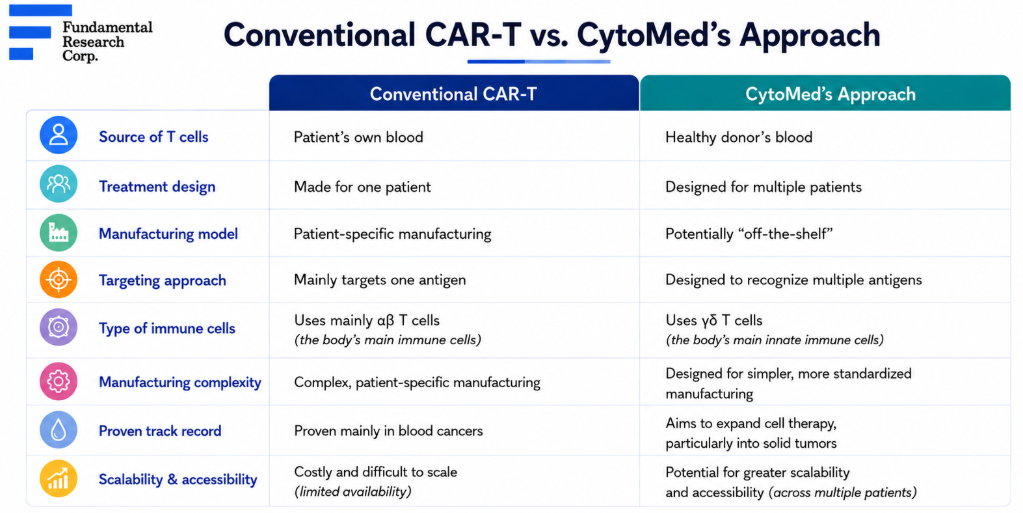
CytoMed is developing cancer treatments using innate immune cells (immune cells that provide the body’s first line of defense) from healthy donors, rather than the patient’s own cells.
This differs from traditional CAR-T therapy, which requires collecting and modifying each patient’s cells. Using donor cells could allow CytoMed’s treatments to be manufactured in advance, and be used across multiple patients, potentially making treatment more scalable and easier to deliver.
Source: FRC
CytoMed aims to develop scalable therapies using healthy-donor immune cells
CytoMed’s Technology: How It Works
CTM-N2D uses γδ T cells (immune cells that can naturally recognize abnormal cells) from healthy donors, rather than the patient’s own αβ T cells, which are commonly used in conventional CAR-T therapies. The γδ T cells are grown in a laboratory, and equipped with a CAR (a protein that helps immune cells recognize cancer) designed to target NKG2D ligands (signals commonly found on cancer cells).
This gives CTM - N2D two ways to recognize cancer, through the γδ T cells’ natural abilities, and through the added CAR. In our view, this dual recognition approach could potentially allow the cells to target a broader range of cancer cells than conventional CAR-T therapies.
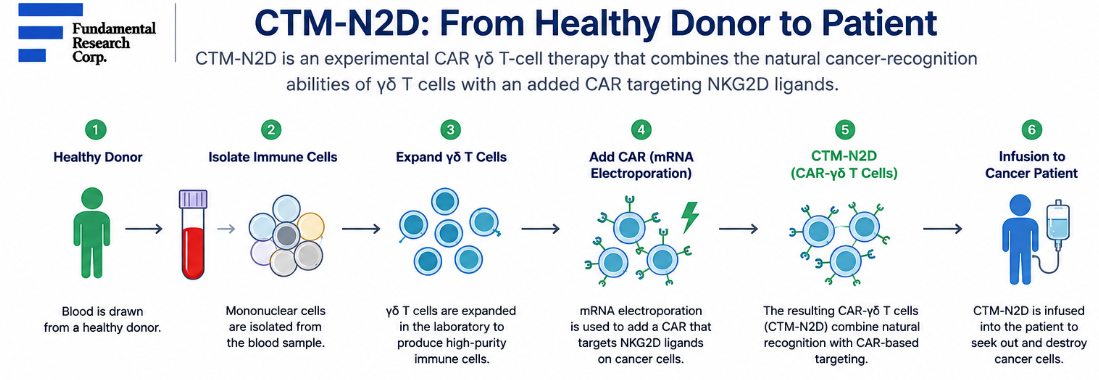
Source: FRC / Company
Healthy-donor γδ T cells + CAR technology → potential off-the-shelf cancer therapy
CytoMed is not alone in developing donor-derived, off-the-shelf γδ T-cell therapies, with both large and small biotech companies developing similar approaches, with programs ranging from Phase I to Phase II. We are not aware of any approved commercial γδ T-cell therapy. In our view, a key differentiator is that several competitors target more specific cancer markers, such as CD20, CD19, or PSMA, while CytoMed’s CTM-N2D targets NKG2D ligands, which are expressed across a broader range of cancer types, potentially giving CTM-N2D a broader addressable patient population.
Broader cancer targeting
Preclinical Evidence
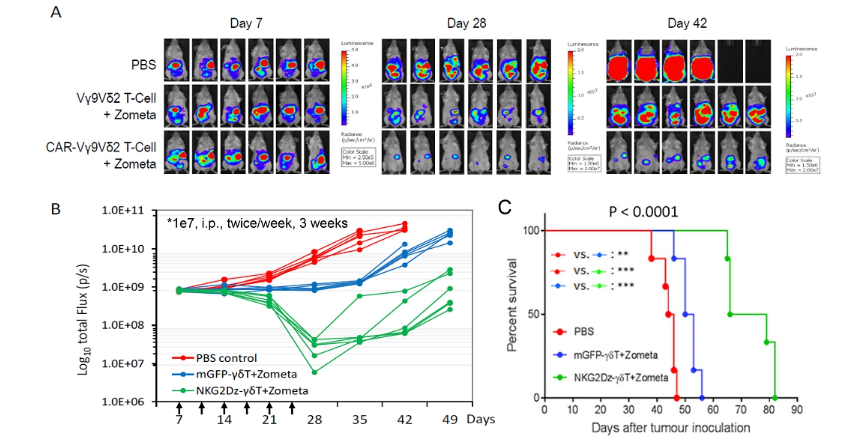
CTM-N2D has shown encouraging anti-cancer activity in preclinical studies.
Preclinical Results: CTM-N2D in a Mouse Model of Human Ovarian Cancer
Source: Company
CTM-N2D kept tumor burden substantially lower than the control groups (Panel B), and extended survival (Panel C)
We believe these results support further clinical investigation. A Phase I trial is ongoing to evaluate the safety and tolerability of multiple dosing in patients with cancers, including solid tumors.
Clinical Trial
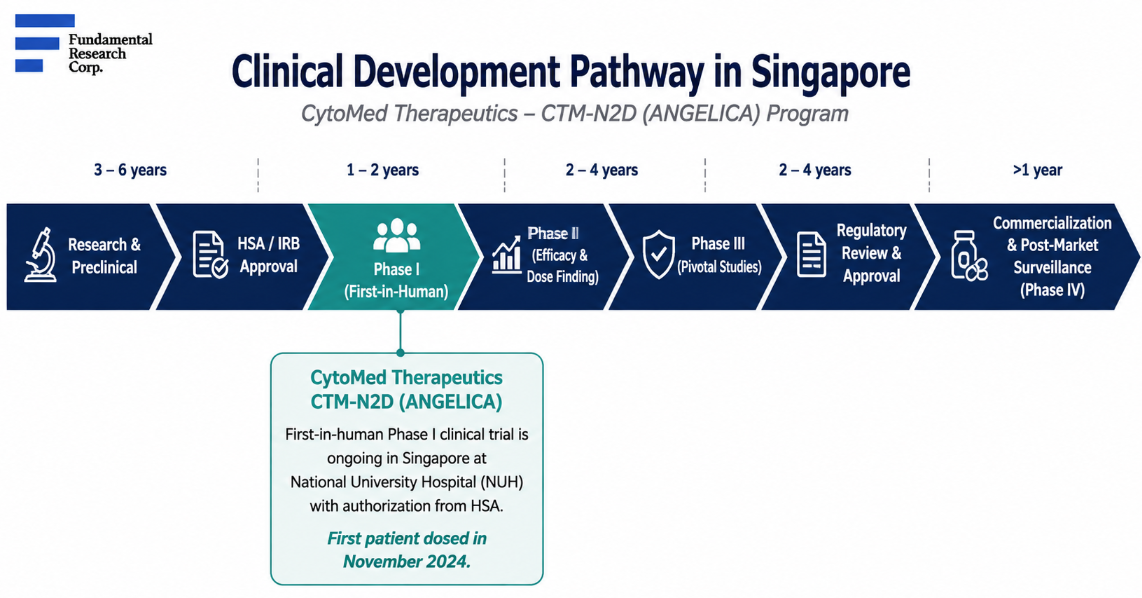
The Phase I trial enrolled its first patient in October 2024, and is designed to enroll 12–18 patients with advanced solid tumors or blood cancers. Patients who remain stable or better after initial treatment may receive up to five additional maintenance doses every two months.
Source: FRC
The typical timeframe from Phase I to approval is five to 10 years, costing $200M to $1B+
Phase I Success: ~19% of candidates ultimately reach approval
Singapore does not publish comparable Phase I to approval success rates; however, we note that its regulatory framework follows internationally recognized standards broadly aligned with those used by the U.S. FDA. As a result, U.S. industry benchmarks provide a reasonable reference point: historically, 75% of drug candidates advance from Phase I to II, 50% from Phase II to III, 59% from Phase III to regulatory submission, and 88% of submissions receive approval. Collectively, these rates imply that ~ 19% of Phase I candidates ultimately reach approval.
Other Product Candidates
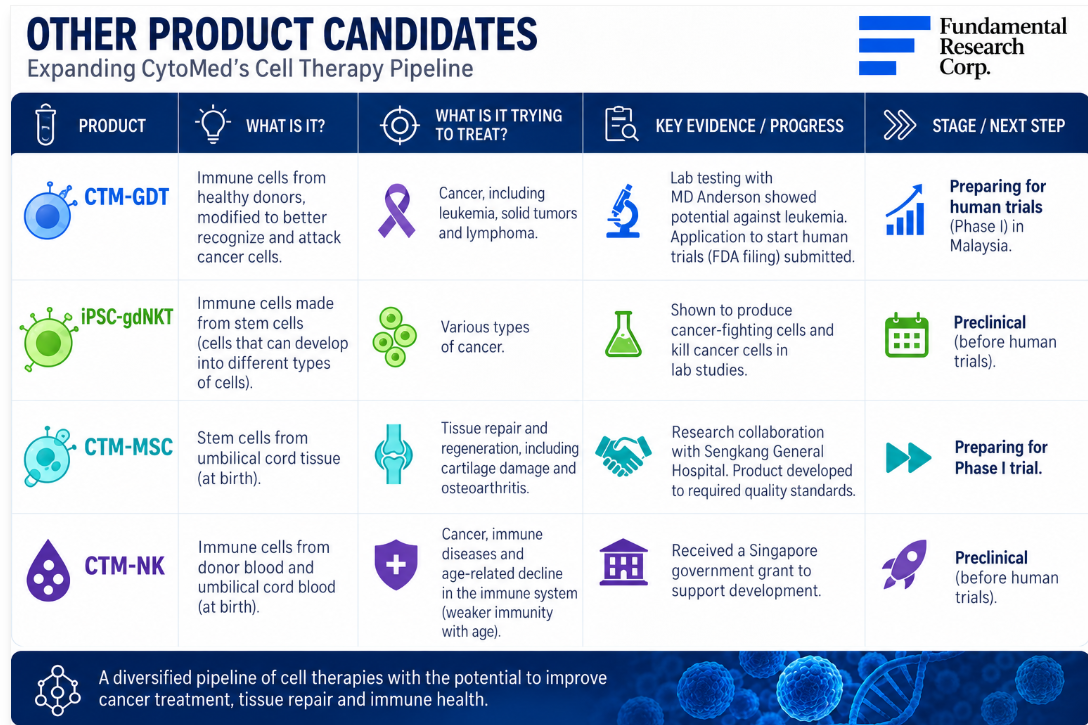
CTM- GDT is the closest to becoming CytoMed's second clinical-stage product, while iPSC- gdNKT represents a longer-term opportunity to create a potentially scalable , and standardized source of immune cells. CTM-MSC and CTM-NK provide additional applications beyond the company's core cancer programs.
Source: FRC
A diversified cell-therapy pipeline targeting multiple cancer and regenerative medicine applications
Target Markets
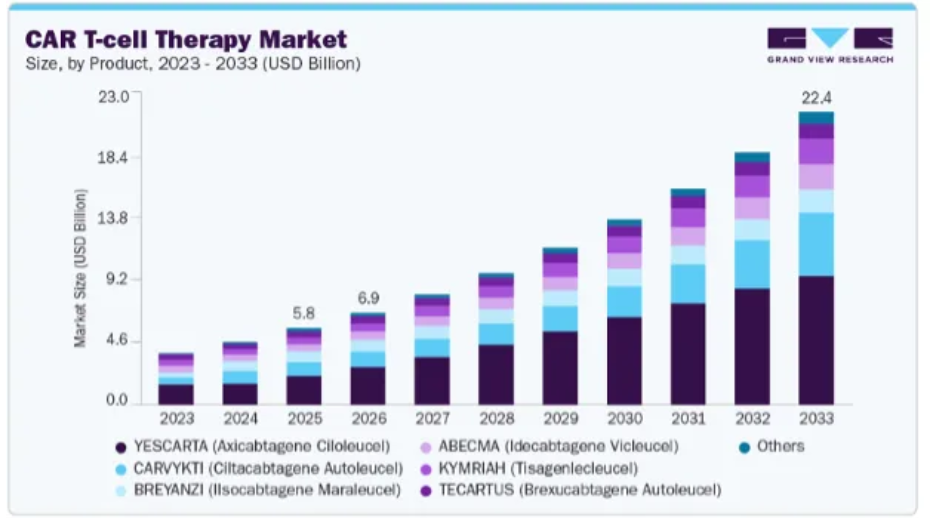
Large and Growing Market: Global CAR-T market: US$6B (2025) → US$22B (2033); 18% CAGR
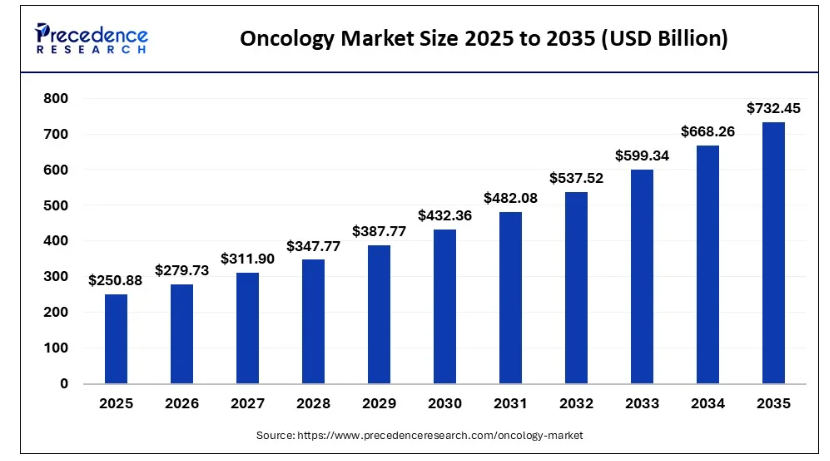
Global oncology market: $251B (2025) → $732B (2035), 11% CAGR
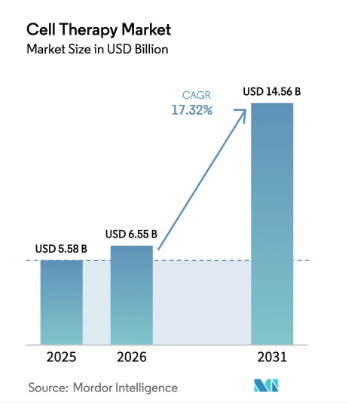
Global cell therapy market: $7B (2026) → $15B (2031), a 17% CAGR
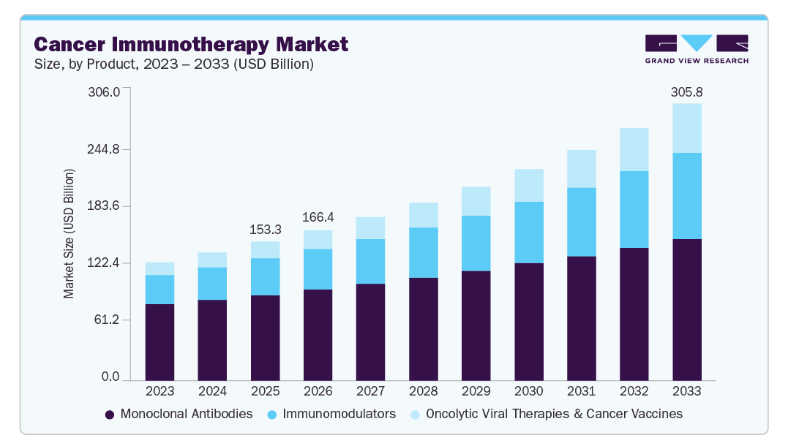
Global cancer immunotherapy market: $166B (2025) → $306B (2033), a 9% CAGR
We believe CytoMed is positioned to address large and growing markets in oncology, cell therapy, and cancer immunotherapy.
Management and Directors
Head Office: Singapore
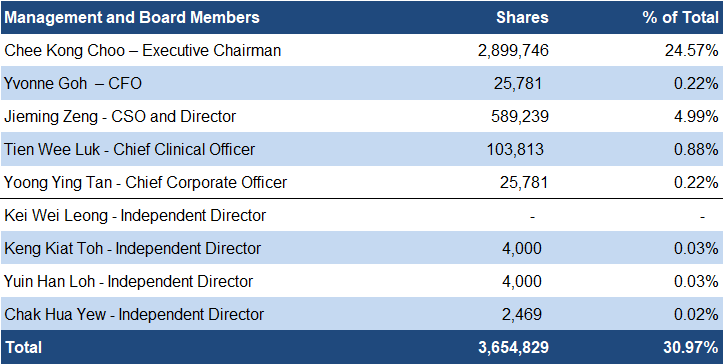
Source: Company / FRC
Employees: 43
Management & board ownership: 31%
Four out of six directors are independent
Brief biographies of the company’s management team and board members follow :
Mr. Choo Chee Kong — Chairman & Executive Director
Mr. Choo has over 20 years of corporate finance experience and has served as Chairman since the Company’s incorporation in 2018. He is Executive Vice Chairman of CNMC Goldmine Holdings, where he oversees strategy, expansion and corporate governance. Previously, he spent 14 years with DBS Bank and founded Westcomb Financial Group, serving as CEO from 2000 to 2008. He holdsa First Class Honours degree in Mechanical Engineering from the University of Liverpool and an MBA from the University of Bradford.
Dr. Zeng Jieming — Excutive Director & Chief Scientific and Medical Officer
Dr. Zeng is a scientific founder of the Company and has over 20 years of research experience in gene therapy, stem cells and cancer immunotherapy. He previously spent 15 years as a research scientist at A*STAR in Singapore, where he led research into stem-cell-derived immune cells and novel cancer therapies. He invented the Company’s iPSC-based γδ NKT cell technology, which was licensed to the Company in 2018. He holds an M.D. from Sun Yat-Sen University and a Ph.D. from the National University of Singapore.
Led by a team with expertise in cancer immunotherapy, stem-cell research, clinical development and corporate finance
Dr. Lucas Luk Tien Wee — Director & Chief Clinical Officer
Dr. Luk has served on the Board since 2021 and as Chief Clinical Officer since 2023. He is a medical doctor specializing in Obstetrics & Gynaecology and has extensive experience in clinical medicine, medical education and cellular therapy. He serves as Principal Investigator for the Company’s Phase I clinical trials involving mesenchymal stem cell and CAR-T therapies. He is also Medical Director and Consultant O&G at a private hospital in Malaysia and has held leadership roles in medical education and professional organizations.
Ms. Goh Yvonne — Chief Financial Officer
Ms. Goh has served as CFO since 2020, overseeing finance, accounting, reporting and procurement. She previously held finance and accounting roles at SBI Offshore, a Singapore-listed company, and Leeden National Oxygen. She has extensive experience in financial management and reporting and has been a Chartered Accountant of the Institute of Singapore Chartered Accountants since 2016. Ms. Tan Yoong Ying — Chief Corporate Officer Ms. Tan has served as Chief Corporate Officer since 2018, overseeing legal, regulatory and corporate matters. She previously held management roles in the mining sector, including operations, restructuring and acquisitions. She holds law degrees from Jinan University and the University of Aberdeen, along with a postgraduate qualification in Legal Practice.
Ms. Tan Yoong Ying — Chief Corporate Officer
Ms. Tan has served as Chief Corporate Officer since 2018, overseeing legal, regulatory and corporate matters. She previously held management roles in the mining sector, including operations, restructuring and acquisitions. She holds law degrees from Jinan University and the University of Aberdeen, along with a postgraduate qualification in Legal Practice.
Financials
Source: FRC / Company
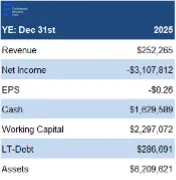
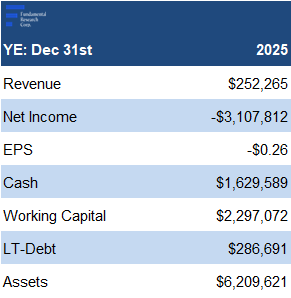
At the end of 2025, the company had $2.30M in working capital, and $0.29M in debt
FRC Projections and Valuation
Source: Various / FRC
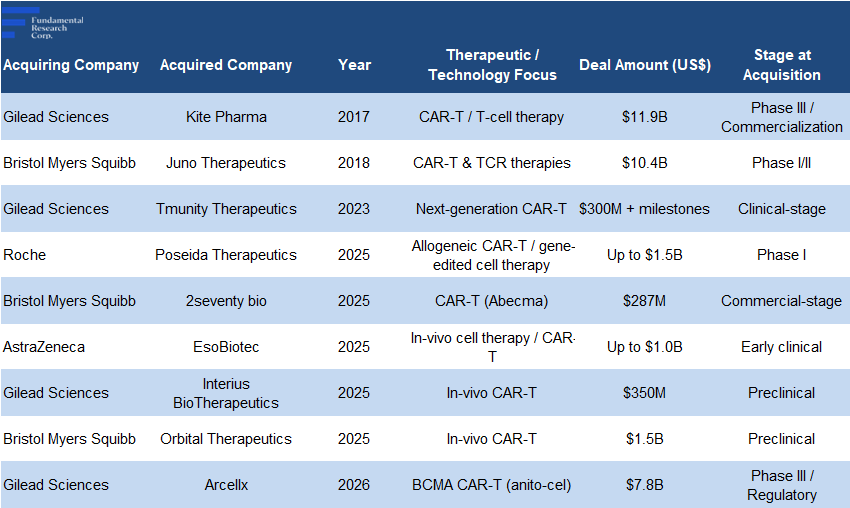
Major pharmaceutical companies have acquired clinical-stage cell-therapy companies for billions of dollars, reflecting the value placed on promising therapies before commercialization
Source: Various / FRC
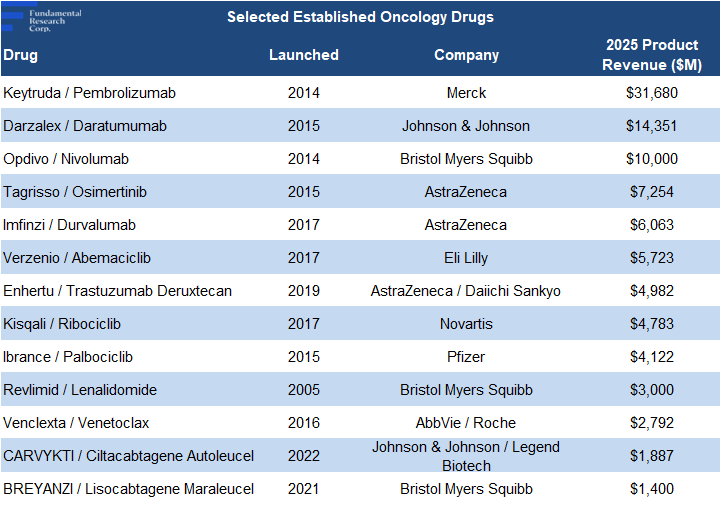
Established oncology products can generate annual revenues ranging from hundreds of millions to billions of dollars
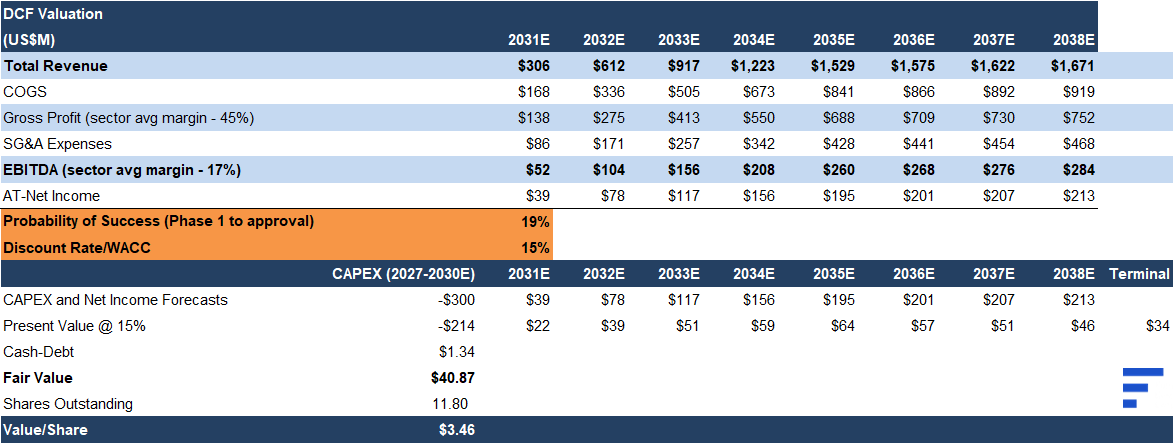
Our DCF model is based on the assumption that CytoMed will capture 0.5% of the global cancer immunotherapy market by the fifth year of commercialization
Source: FRC
Modelling $300M in CAPEX for advancing towards commercialization
We arrived at a DCF valuation of $3.46/share
Key Assumptions:
Source: FRC
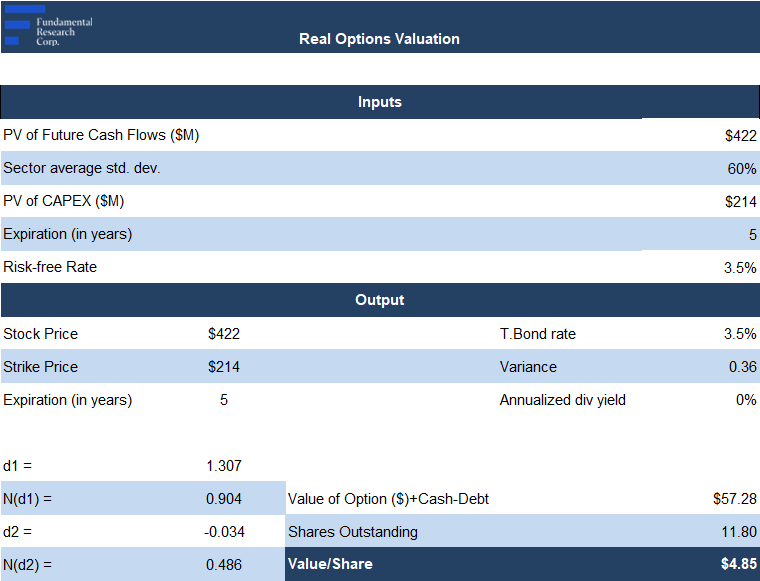
Our real options valuation is $4.85/share
We believe a real options valuation model is valid when valuing development-stage biotech companies, as the model takes into account management’s ability to pursue, abandon, or delay drug development
We are initiating coverage with a BUY rating, and a fair value estimate of $ 4.16 per share (the average of our DCF and real options valuations). CytoMed is advancing a focused pipeline of therapies, led by CTM-N2D, in large and growing markets. While clinical and commercialization risks remain significant, the company’s experienced team, additional pipeline candidates, and large addressable markets provide multiple potential value-creation opportunities.
Risks
We believe the company is exposed to the following key risks (not exhaustive):
As with all R&D stage biotech companies, we are assigning a risk rating of 5 (Highly Speculative)


.webp&w=128&q=75)
.webp&w=128&q=75)

.webp&w=128&q=75)