

Disclosure: Ginkgo Mortgage Investment Corporation has paid FRC a fee for research coverage and distribution of reports. This fee creates a potential conflict of interest which readers should consider. See last page for other important disclosures, rating, and risk definitions.
Price and Volume (1-year)
* Ginkgo Mortgage Investment Corporation has paid FRC a fee for research coverage and distribution of reports. See last page for other important disclosures, rating, and risk definitions. All figures in C$ unless otherwise specified.
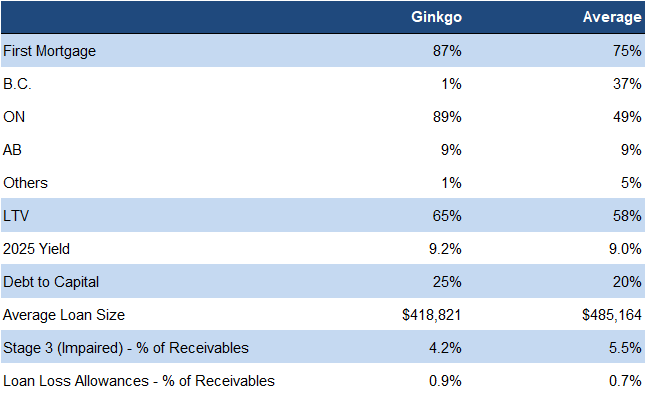
The table below compares Ginkgo ’s portfolio with other MICs (AUM $100M+) focused on already-built single-family residential units.
Source: FRC / Various
Despite a more conservative first-mortgage mix, Ginkgo’s FY2025 yield exceeded peers, supported by higher LTV lending and greater leverage
A key positive is Ginkgo’s lower Stage 3 (impaired) mortgage ratio versus the sector
We believe the portfolio lacks geographic diversification, with 89% concentrated in Ontario
The sector has seen two material transactions in recent months (listed below). Discussions with MIC managers indicate several are actively pursuing M&A to scale their platforms, drive synergies, and achieve cost savings across administration, operations, and staffing.
We believe t hese efficiencies can support higher investor yields, attract additional capital, and ultimately enable increased lending activity across the sector.
September 2025: Alta West Mortgage Capital Corporation acquired Premiere Home Mortgage for an undisclosed amount.
October 2025: Neighbourhood Holdings acquired Fisgard Asset Management for an undisclosed amount, creating one of Canada’s largest alternative mortgage lenders with over $750M in AUM across 1,550 mortgages .
Portfolio Update (YE: August 31st)
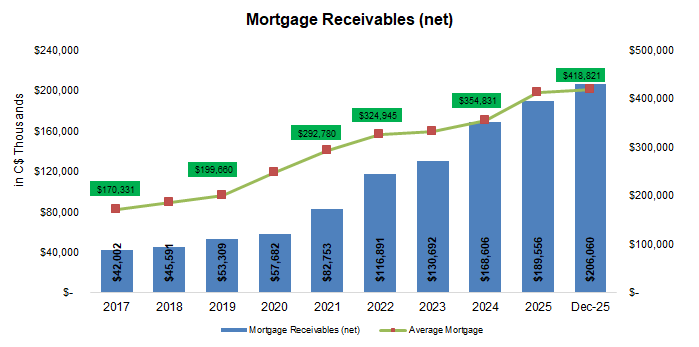
In FY2025, mortgage receivables were up 12% to $190M vs our estimate of $200M
We estimate MIC sector AUM rose 9% during the same period
As of December 2025, receivables reached a historic high of $206M
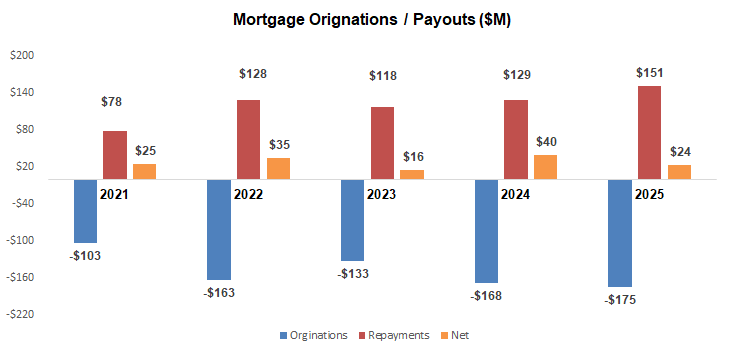
Mortgage advancements grew 4% YoY
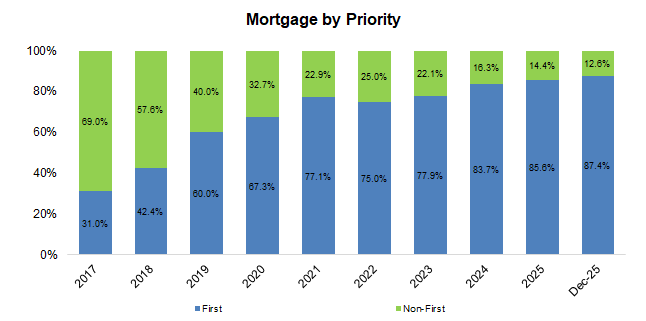
Exposure to first mortgages increased, implying lower risk
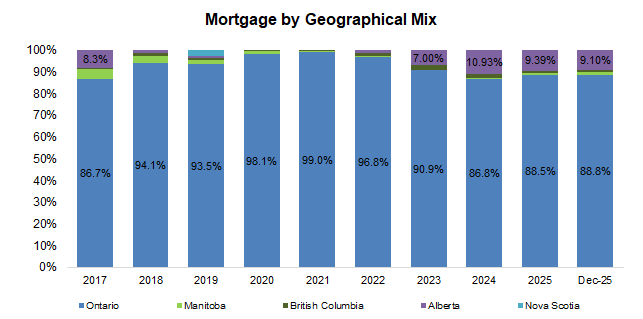
Key focus areas include the GTA, and second-tier cities such as Cambridge, Kitchener, Oshawa, London, and Hamilton
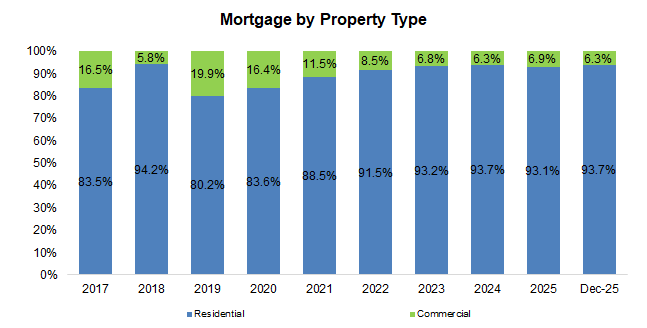
Remains focused on single-family residential units
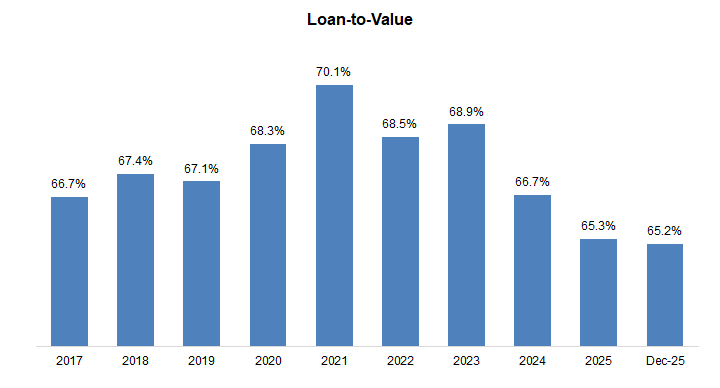
LTV declined due to increased exposure to first mortgages
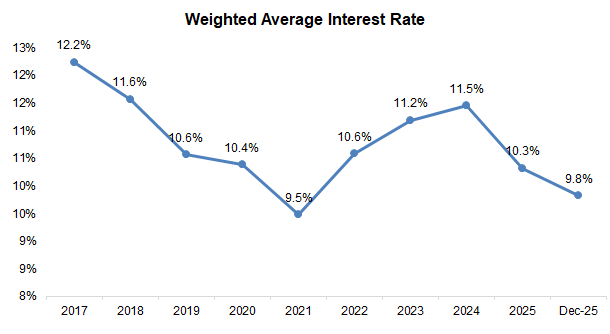
Lending rates have declined alongside broader market rates
Since peaking in 2024, lending rates are down 1.7 pp, while prime rates fell 2.7 pp over the same period, indicating MIC lending rates are less elastic than benchmark rates
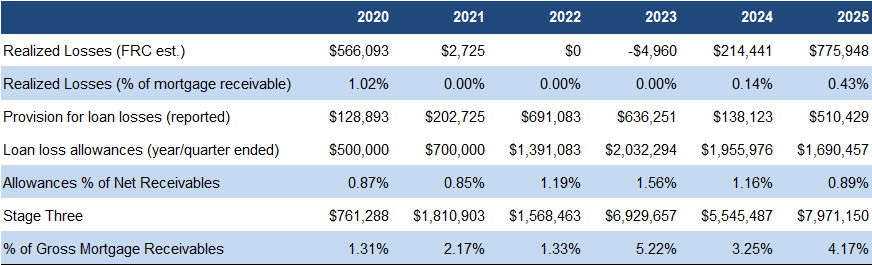
Source: Company / FRC
Stage three (impaired) mortgages increased 0.9 pp to 4.2% of portfolio vs the sector average of 5.5%, reflecting prudent portfolio management
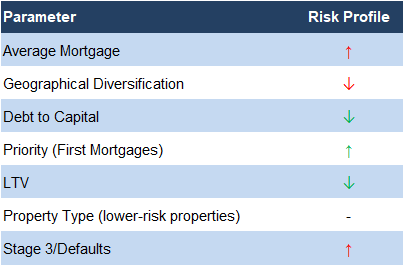
red (green) indicates an increase (decrease) in risk level
Source: FRC
In summary, we believe the portfolio’s risk profile has decreased, driven by higher first mortgages and lower LTVs, partially offset by higher defaults
Financials (YE: August 31st)
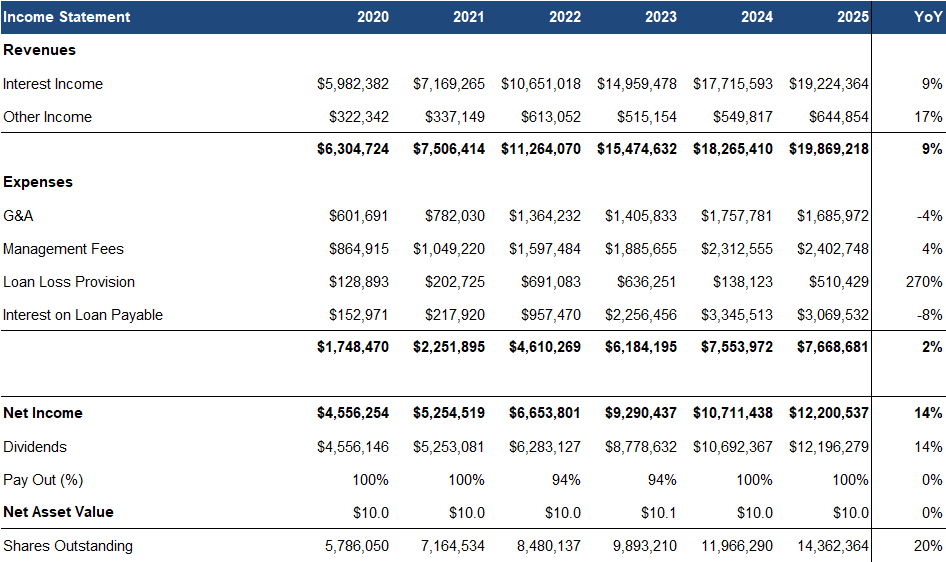
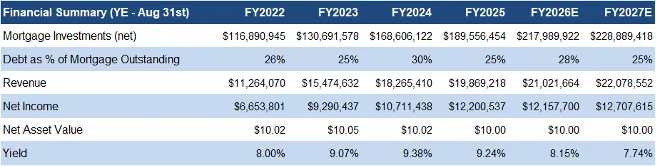
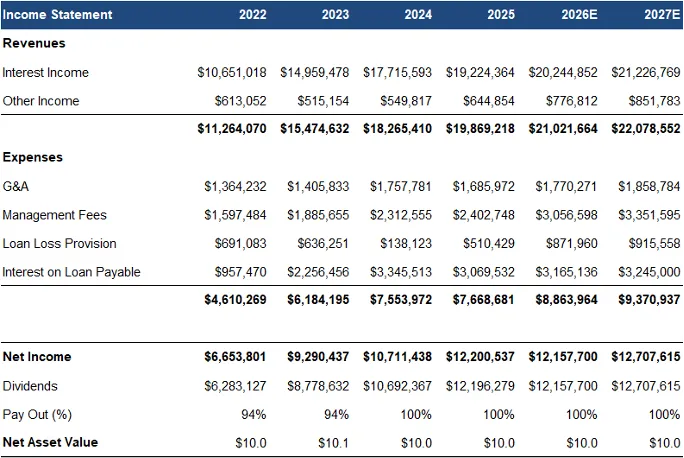
FY2025 revenue rose 9% YoY, missing our estimate by 4% due to lower-than-expected mortgage receivables
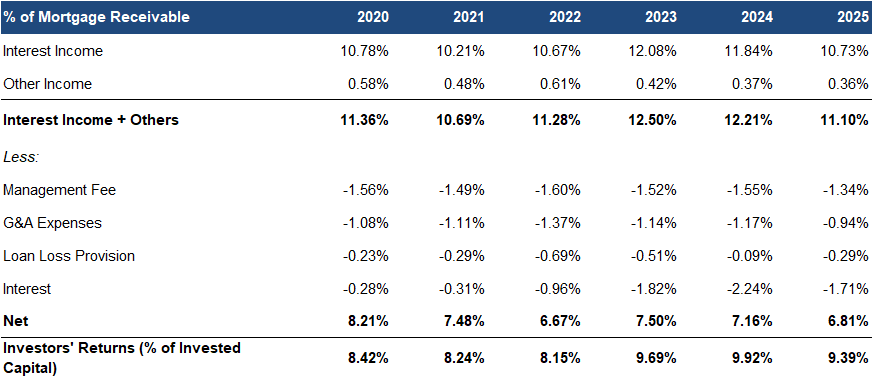
Note that the above figures may be slightly different from the figures reported by Ginkgo due to a difference in the method of calculation.
Source: Company / FRC
However, net income was up 14% YoY, beating our estimate by 8%, driven by lower-than-expected operating expenses
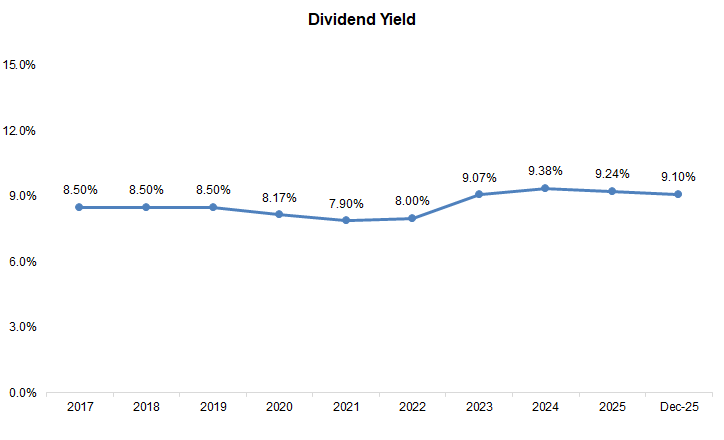
The FY2025 yield was 9.24% vs our forecast of 9.01%
Source: Company / FRC
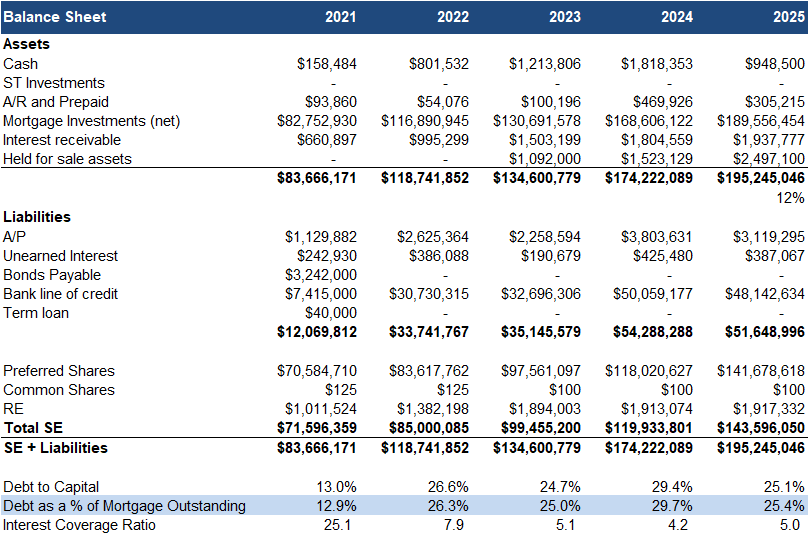
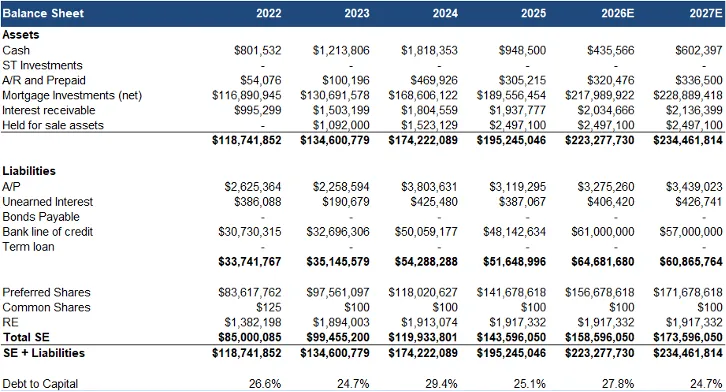
Debt-to-capital declined due to higher use of equity, but remained within the 20%-40% range typical of comparables
FRC Projections & Rating
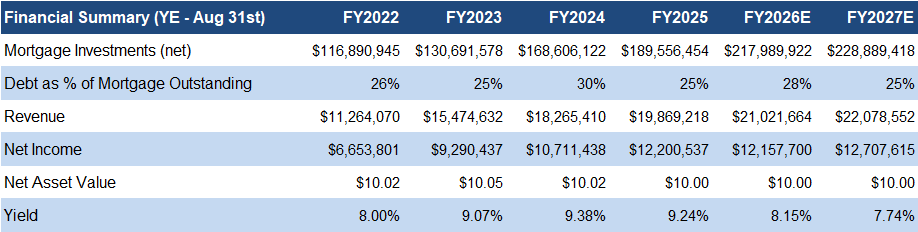
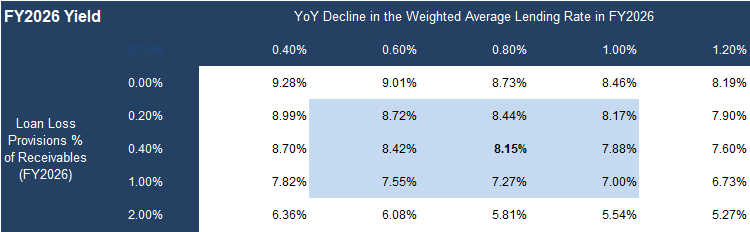
With rates peaking last year, we expect yields to decline in FY2026
We are projecting a yield of 8.15% in FY2026
Source: FRC
Our FY2026 yield estimate varies between 7.00% and 8.72%, as loan loss provisions and lending rates vary
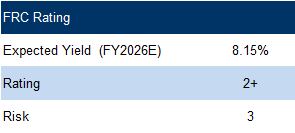
Overall, FY2025 results reflect a more defensively positioned portfolio , with higher first-mortgage exposure, lower LTVs, and impaired loans below the sector average. While yields are expected to moderate in FY2026 as rates stabilize, earnings resilience has been supported by disciplined cost management and sound credit quality. We believe the MIC offers a lower-risk profile with stable dividend potential, albeit with concentration risk tied to Ontario exposure. We are reaffirming our overall rating of 2+ and risk rating of 3 .
Risks
We believe the MIC is exposed to the following key risks (not exhaustive) :
APPENDIX
Discussion
Comments reflect the views of individual users, not FRC. Nothing posted in the comments section — by users or otherwise — should be taken as investment advice.