

Disclosure: NurExone Biologic Inc. has paid FRC a fee for research coverage and distribution of reports. See last page for other important disclosures, rating, and risk definitions.
The analyst’s rating and fair value are one click away. Free FRC account, no credit card.
Already have an account?
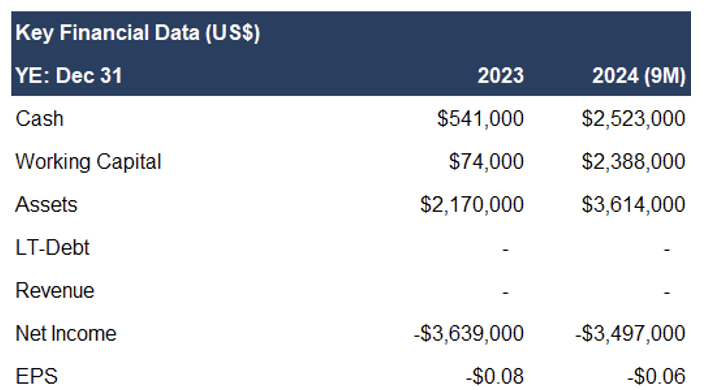
Price Performance (YTD)
NurExone is developing exosome-based therapies aimed at providing minimally invasive, highly targeted drug delivery, and regenerative medicine solutions. The company holds an exclusive, worldwide license from two leading Israeli universities for the development and commercialization of the technology. Under the licensing agreement, the company is required to pay 20.25% of revenue in royalties and licensing fees.
Founded in 2021 and based in Israel. Holds an exclusive worldwide license for the technology
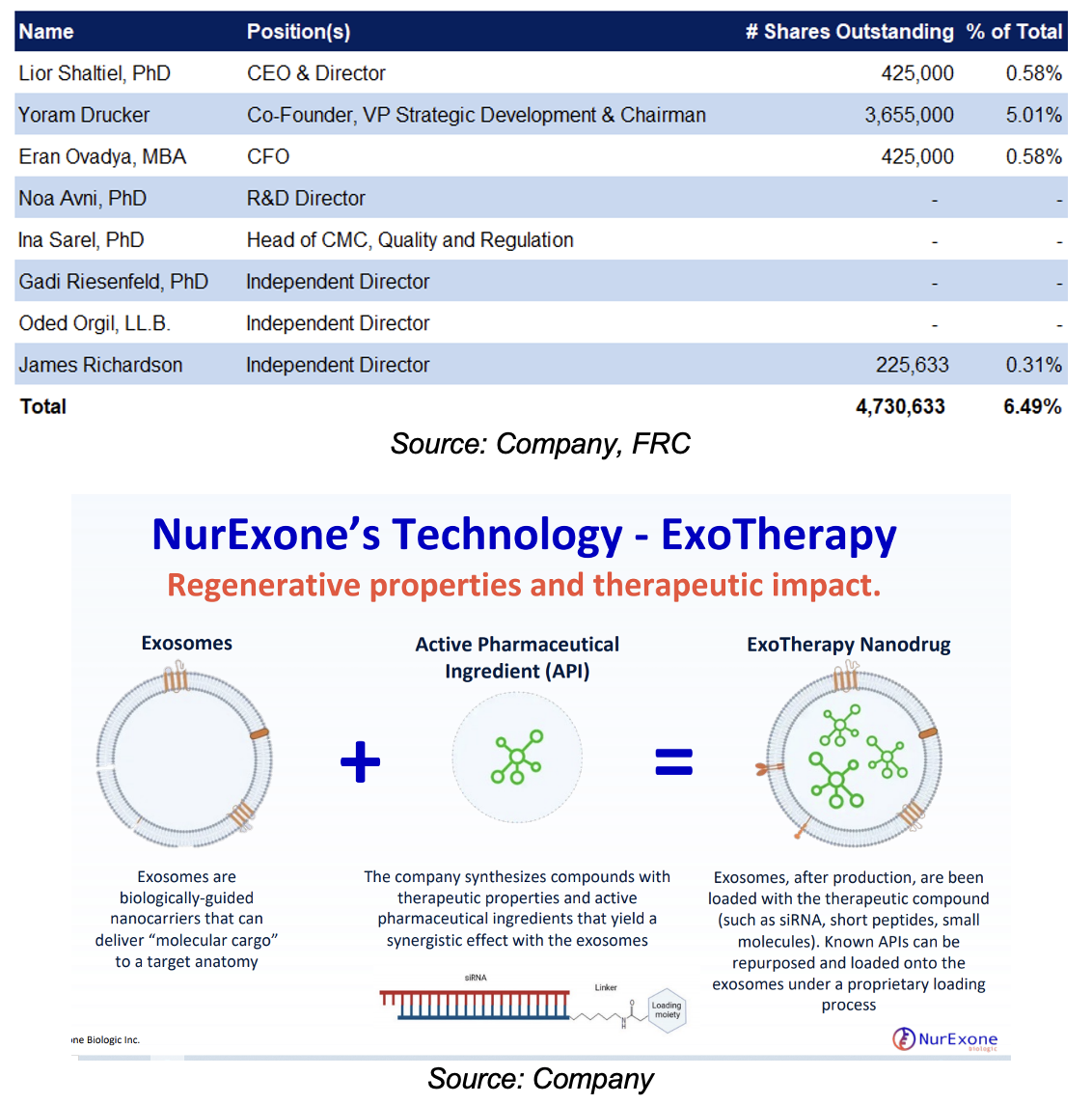
Established by experienced biotech entrepreneurs. Management owns 6.5% of NRX’s equity. Nine full-time and eight part-time employees
U.S. patent granted in 2023
Exosomes are nano-sized, membrane-bound vesicles (sacs) secreted by cells, and abundantly present in various body fluids, including blood, urine, saliva, semen, vaginal fluid, and breast milk. They play a pivotal role in intercellular communication, facilitating the transfer of vital biological molecules, such as DNA, RNA, and proteins, between cells. Various sources suggest that exosomes possess significant therapeutic potential, to serve as an effective, targeted drug delivery system. Exosomes' natural ability to target inflamed or damaged tissues, and their capacity to carry and deliver active pharmaceutical ingredients (APIs), make them a promising platform for targeted drug delivery and regenerative medicine.
In recent years, the exosome therapeutics and diagnostics industry has experienced significant growth, with over 50 companies actively engaged in R&D. However, there are currently no FDA-approved exosome products.
Exosome-based therapies are in early stages of development, aiming to improve upon existing gene and cell therapies
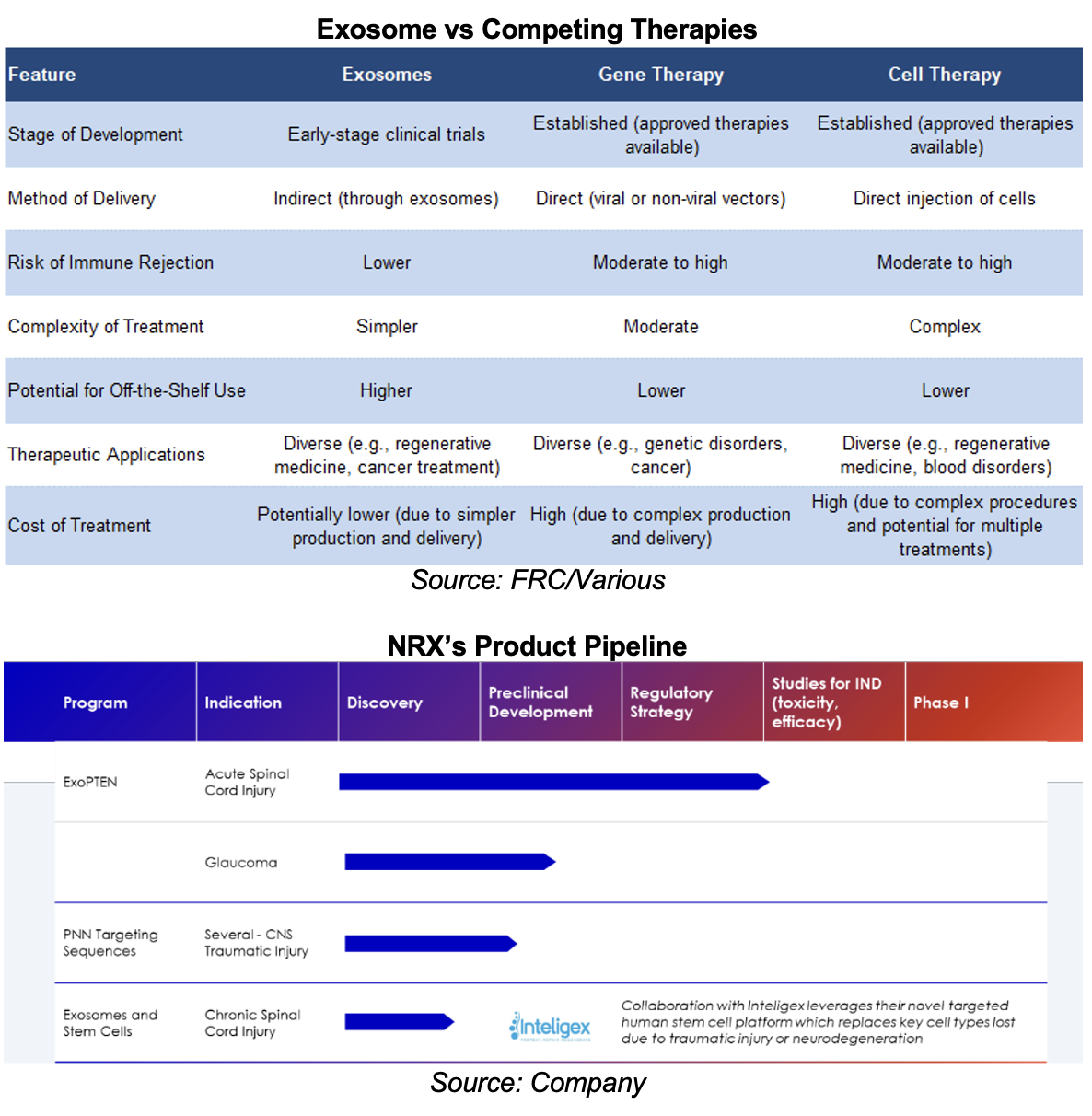
Studies indicate that exosomes offer unique advantages, such as reduced immune responses, targeted delivery, and the potential for off-the-shelf treatments
NRX is focusing on a broad range of applications within the central nervous system, including spinal cord injury (SCI), optic nerve injury, brain trauma, and various neurological disorders
The company is developing ExoTherapy, an exosome-based therapy designed to stimulate neuroregeneration for the treatment of acute SCIs.
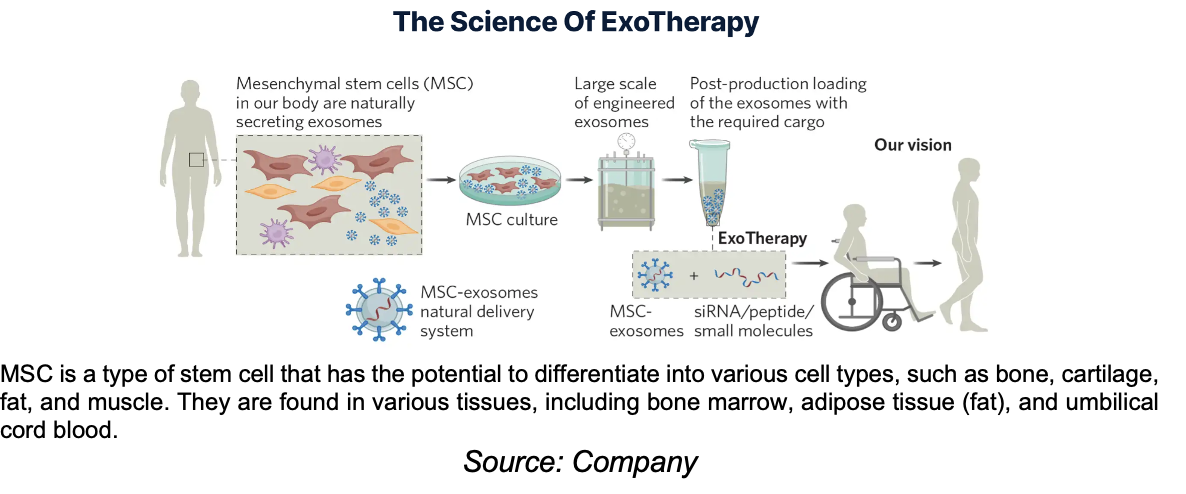
ExoPTEN utilizes exosomes loaded with a unique and proprietary special code (siRNA) as its active pharmaceutical ingredient
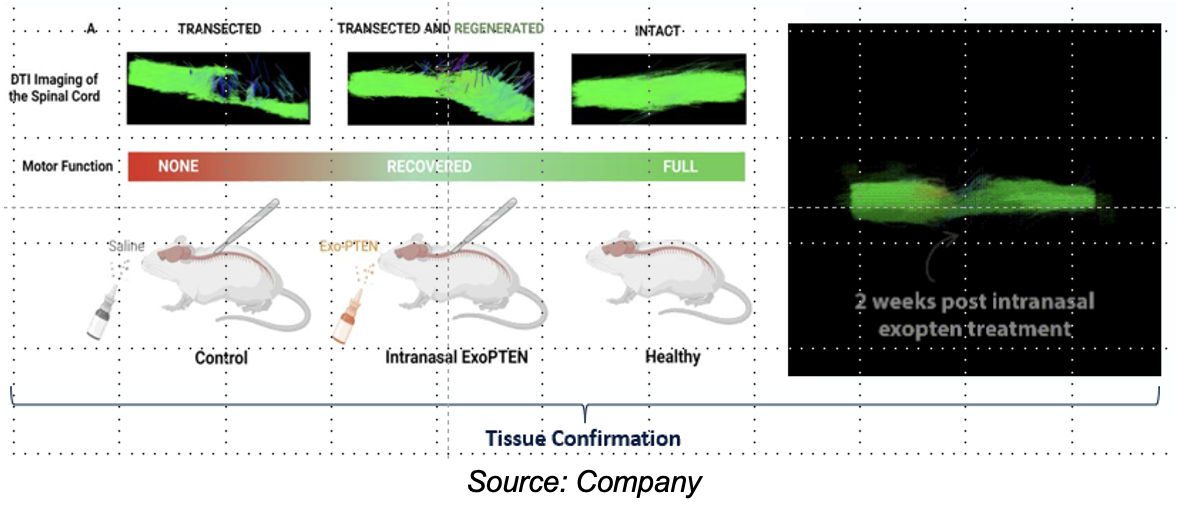
Management's goal is to develop ExoPTEN as a versatile treatment that can address a broad range of nerve injuries, including both acute SCIs, and optic nerve injuries. The technology has been validated in preclinical studies conducted on rats in 2018 and 2019. Key results include:
Intranasal administration of MSC-derived exosomes loaded with siRNA-PTEN (ExoPTEN) was presented to rats with complete spinal cord lesions, resulting in significant functional recovery
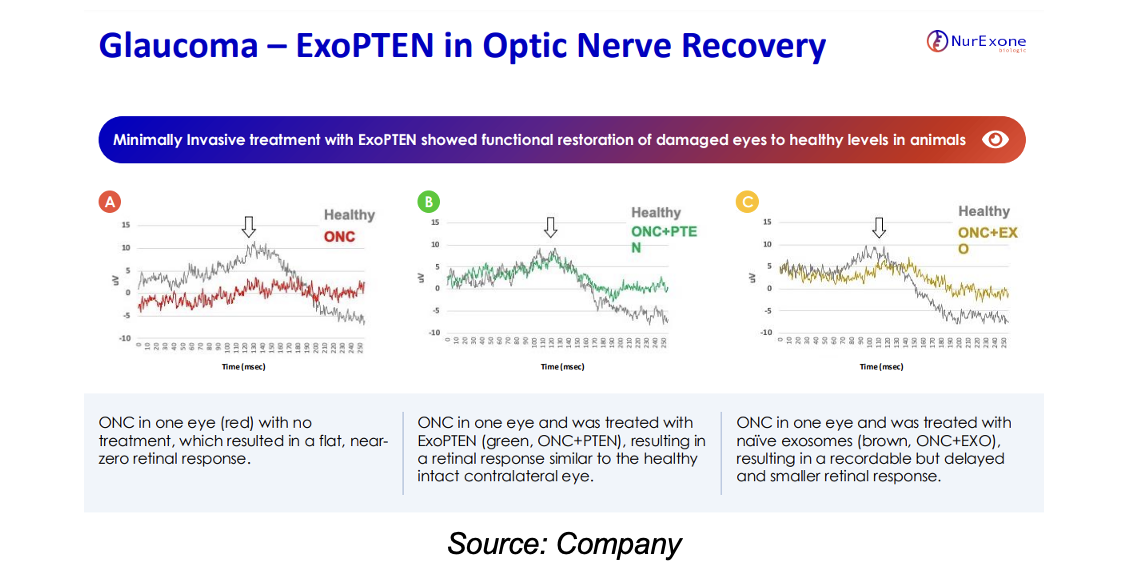
NurExone is also exploring the potential for treating glaucoma. Preclinical studies have demonstrated promising results in restoring vision following optic nerve damage—a key characteristic of glaucoma. Current treatments are primarily focused on preventing further damage, with limited options for regenerating or repairing damaged nerves.
We believe the expansion into the glaucoma market could significantly enhance NurExone's therapeutic portfolio, and address a critical unmet medical need
ExoPTEN has received an Orphan Drug Designation from both the FDA and the EMA, potentially accelerating development and approval
Drug Development Pathway
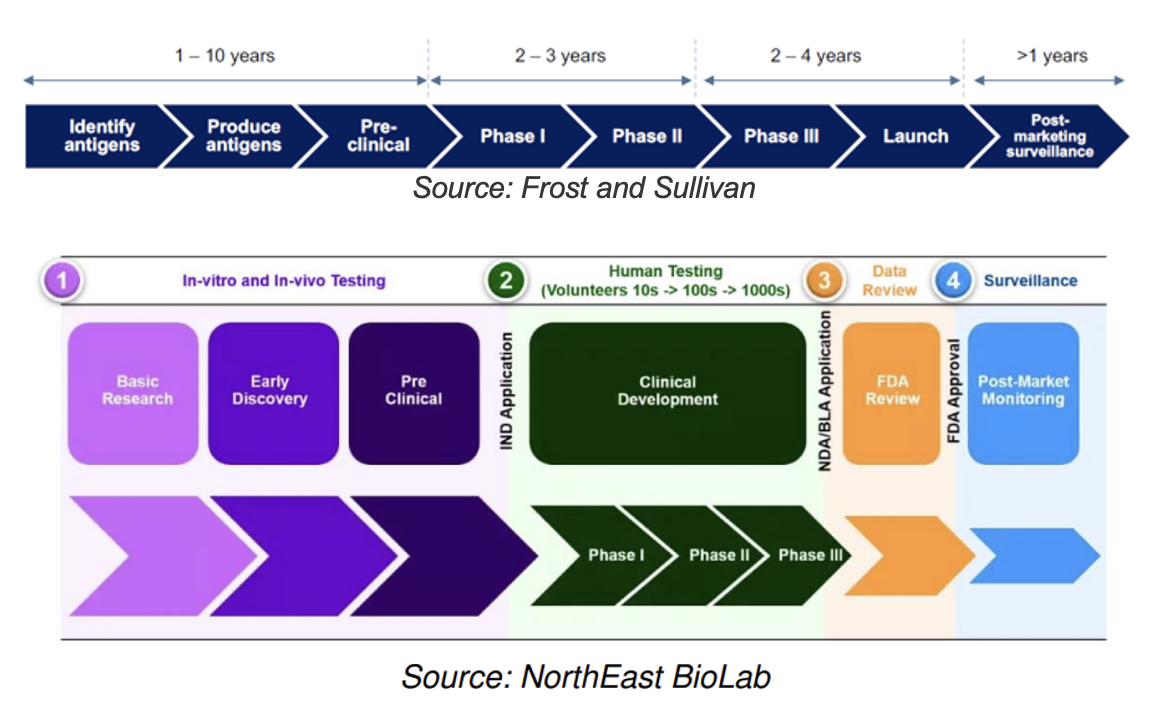
Historically, 75% of drug candidates have moved from phase I to II, 50% from II to III, 59% from III to approval, and 88% of those have received final approval (Source: National Library of Medicine), implying that 19% of candidates have advanced from phase I to approval.
NRX has also conducted a pre-IND meeting with the FDA, necessary for starting human clinical trials
The company expects to start phase one clinical trials by the end of 2025.
SCIs are complex conditions caused by trauma, such as motor vehicle crashes and falls, or non-traumatic factors like malignancy and degeneration, leading to severe morbidity and permanent disability.
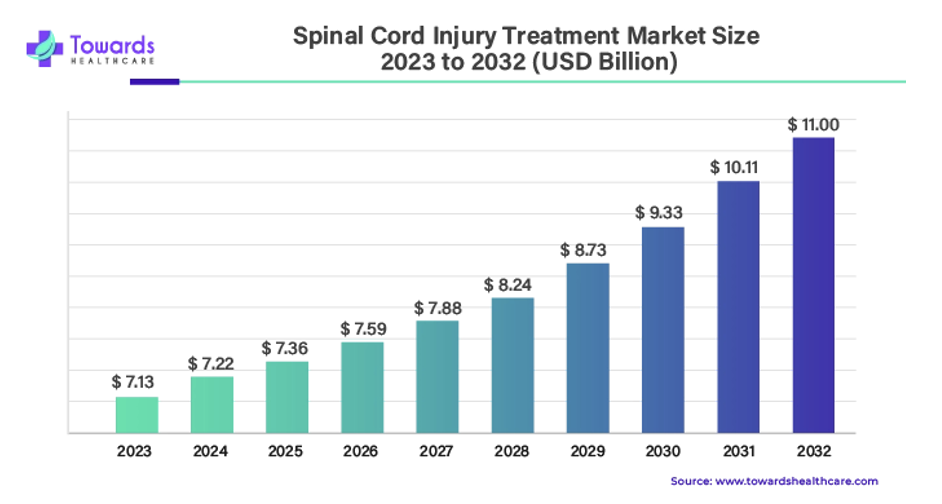
It is estimated that the global SCI treatment market will grow from $7.1B in 2023, to $11B by 2032, reflecting a CAGR of 4.8%
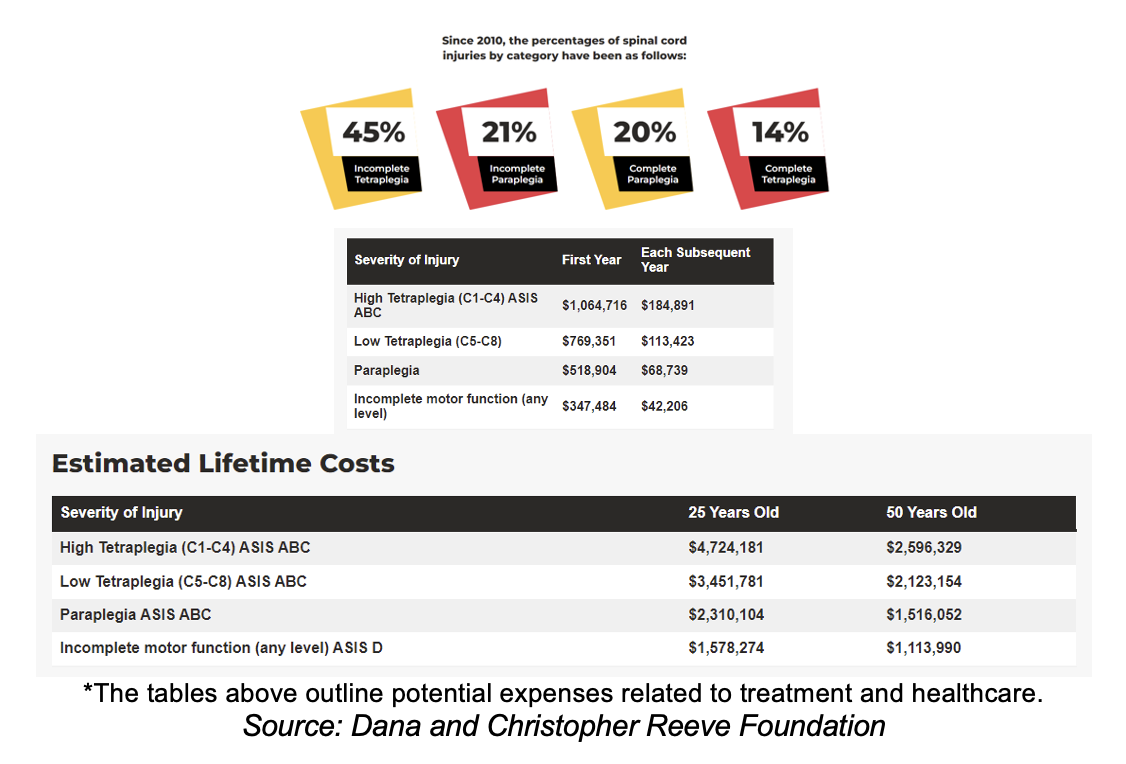
The Dana and Christopher Reeve Foundation reports that treating SCI can be extremely costly, especially for severe cases like high tetraplegia. In addition to substantial initial costs, ongoing care and rehabilitation expenses remain significant throughout a patient's lifetime.
Less than 1% of affected people experience complete neurological recovery by the time of hospital discharge
The National Library of Medicine reports that 250k-500k patients globally suffer from SCIs each year. In the U.S., about 17k new cases arise annually, with an estimated 282k people living with SCIs.
Globally, 40-80 people per million experience SCI annually (Source: WHO)
Approximately 80 million people worldwide are currently living with glaucoma
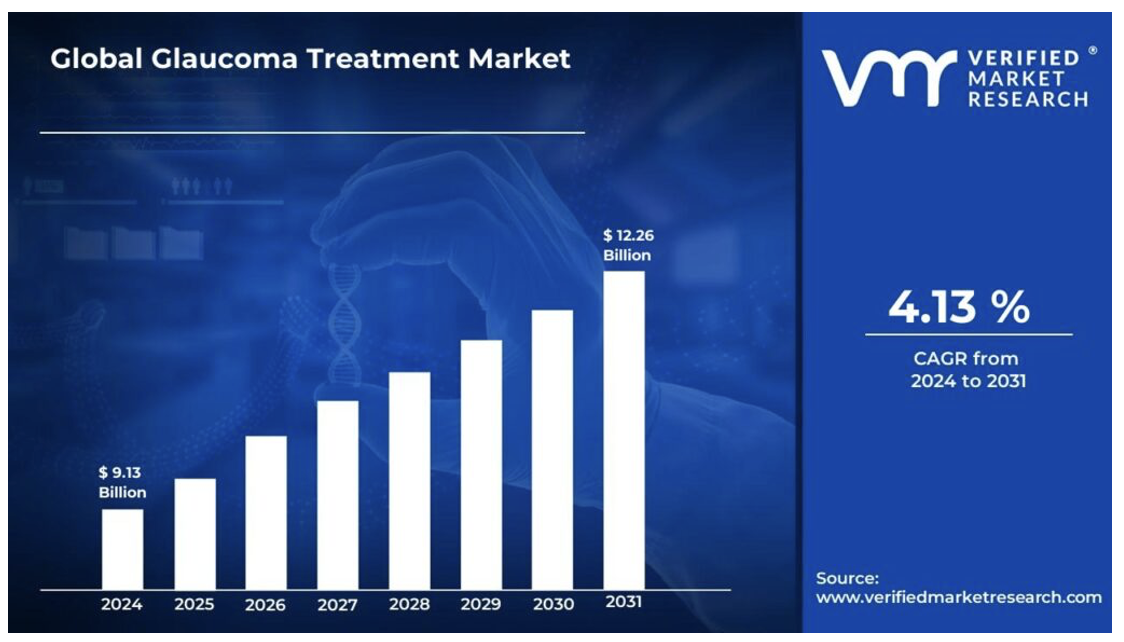
It is estimated that the global glaucoma treatment market will grow from $9.1B in 2024, to $12.3B by 2031, reflecting a CAGR of 4.1%, driven by an aging population, and increasing awareness and screening program
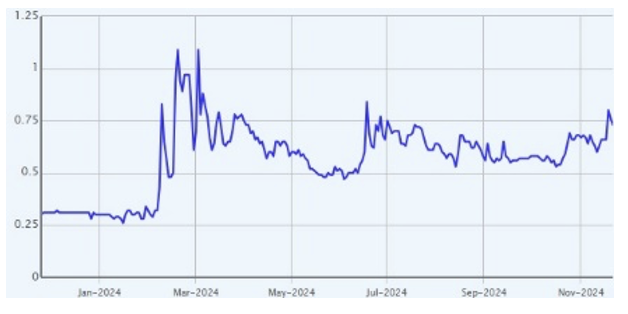
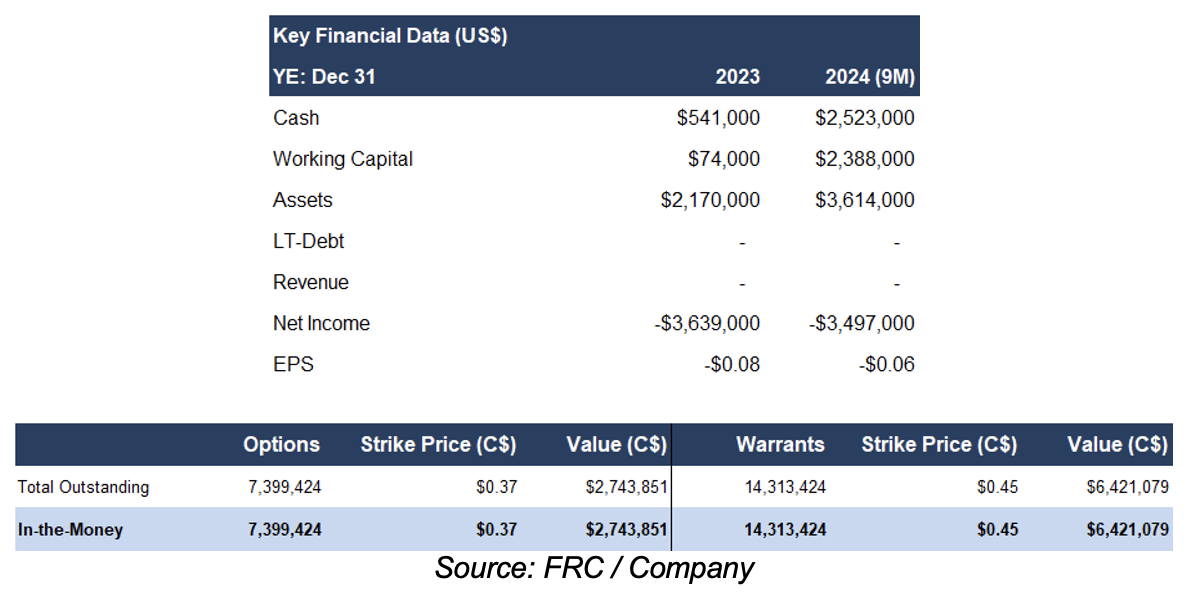
In pre-revenue stage. Current monthly burn rate : $400k/month. Raised $15M since inception. In-the-money options and warrants can generate up to C$9.2M; therefore, we do not anticipate any equity financings in the near term
The following table lists major M&A deals in cell therapy and related fields.
Majors have acquired leading treatments for billions of dollars
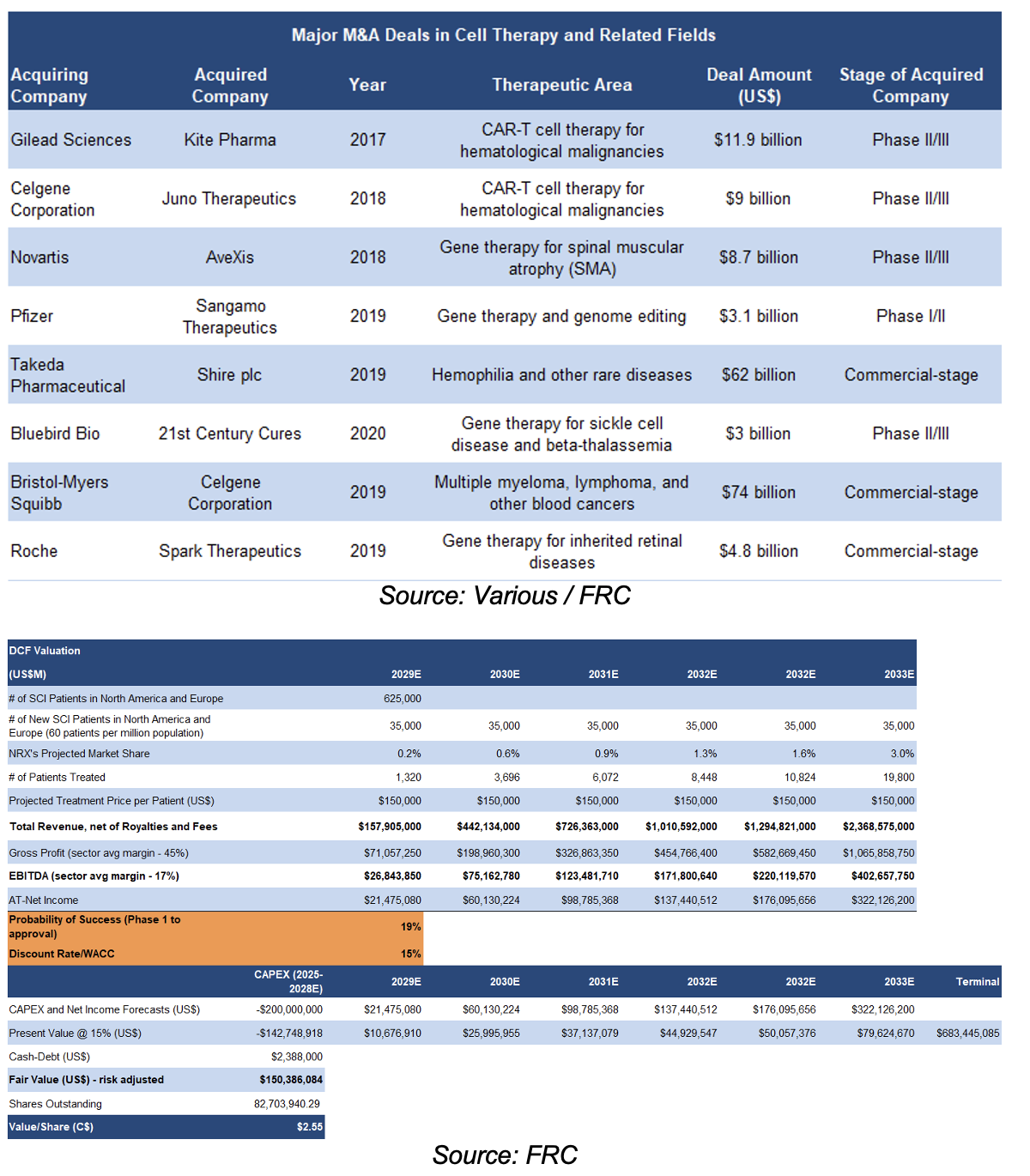
Our DCF model is based on the assumption that NRX will capture 3% of the SCI treatment market in North America, and Western Europe, by the sixth year of commercialization
Modelling $200M in CAPEX for advancing towards commercialization
We arrived at a DCF valuation of C$2.55/share
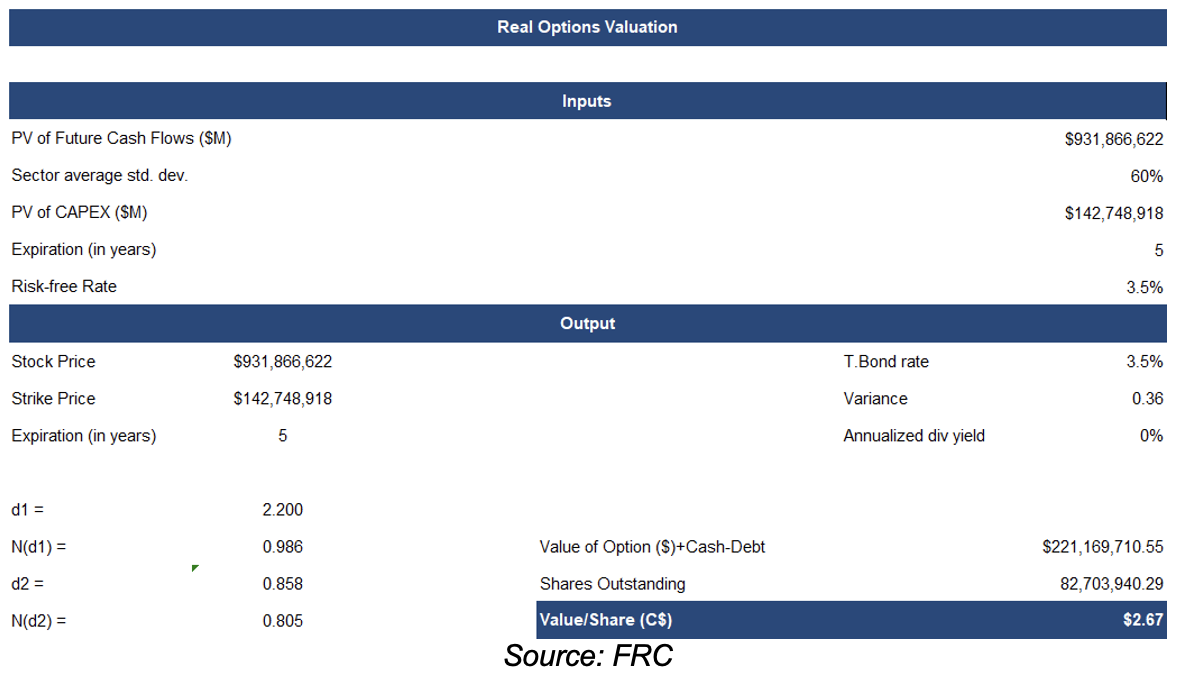
We are initiating coverage with a BUY rating, and a fair value estimate of C$2.61 per share (the average of our DCF and real options valuations). While NRX faces the inherent risks of an R&D-focused biotech, and exosome therapy remains a nascent field with no FDA-approved products, we view it as an innovative player in developing treatments for neurological disorders. Its lead candidate, ExoPTEN, has shown encouraging preclinical results, and received an Orphan Drug Designation. The typical exit strategy for pharma and biotech companies is acquisition by larger firms upon the successful completion of promising clinical trials.
Our real options valuation is C$2.67/share
We believe a real options valuation model is valid when valuing development-stage biotech companies, as the model takes into account management’s ability to pursue, abandon, or delay drug development
As with all R&D stage biotech companies, we are assigning a risk rating of 5 (Highly Speculative
We believe the company is exposed to the following key risks (not exhaustive):