

Disclosure: Kidoz Inc. has paid FRC a fee for research coverage and distribution of reports. This fee creates a potential conflict of interest which readers should consider. See last page for other important disclosures, rating, and risk definitions.
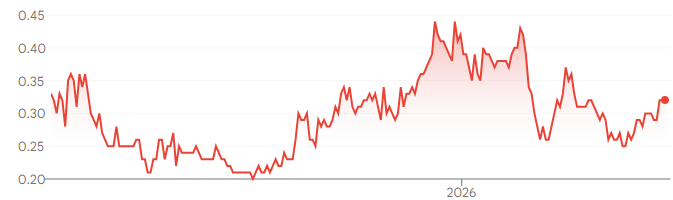
Price and Volume (1-year)
* Kidoz Inc. has paid FRC a fee for research coverage and distribution of reports. See last page for other important disclosures, rating, and risk definitions. All figures are in US$, except share price, fair value, and MCAP data, which are in C$.
Two offerings on the same underlying platform, serving different audience segments across the full demographic spectrum
Company Overview
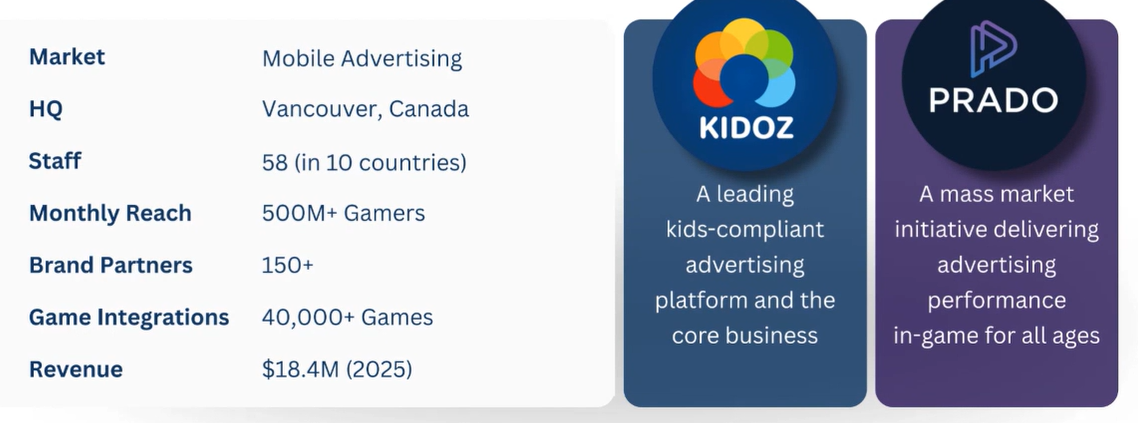
KIDOZ is a child-safe network that delivers ads through a platform integrated into mobile games, and apps
Launched in 2023, Prado adapts Kidoz’s core technology, and extends it to serve a broader, non-kid mobile audience
Reaches 500M+ gamers every month across 40k+ games
Source: Company
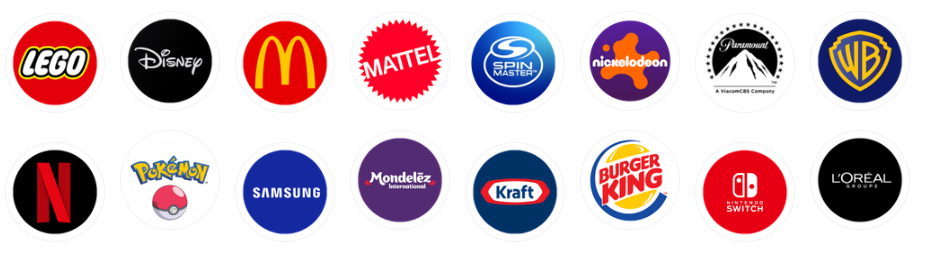
Used by major brands such as Disney (NYSE: DIS), LEGO (NYSE: LEGO), Mattel (NASDAQ: MAT), McDonald’s (NYSE: MCD), and others, reflecting trust from leading global advertisers
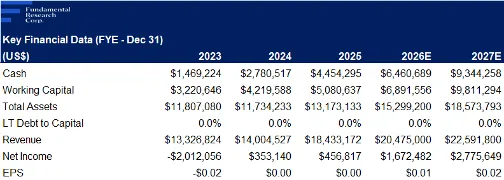
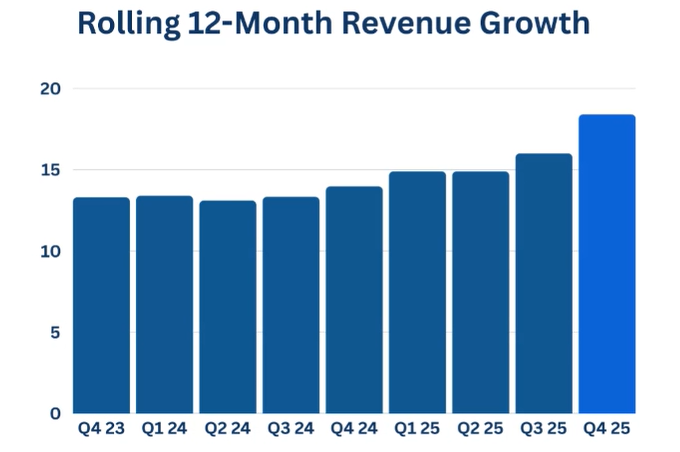
Three straight years of revenue growth; turned profitable in 2024
Sector Trends & Implications
Source: FRC / Various
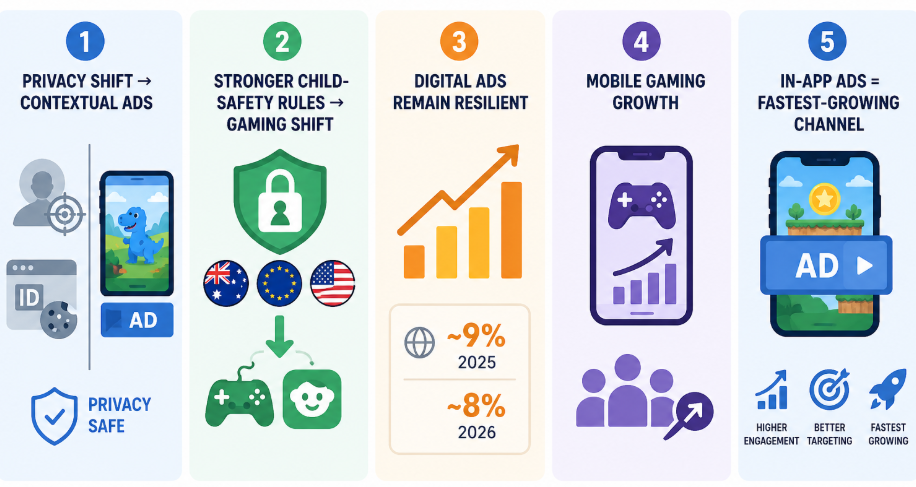
Kidoz is positioned at the intersection of privacy-first advertising, mobile gaming growth, and accelerating in-app ad demand
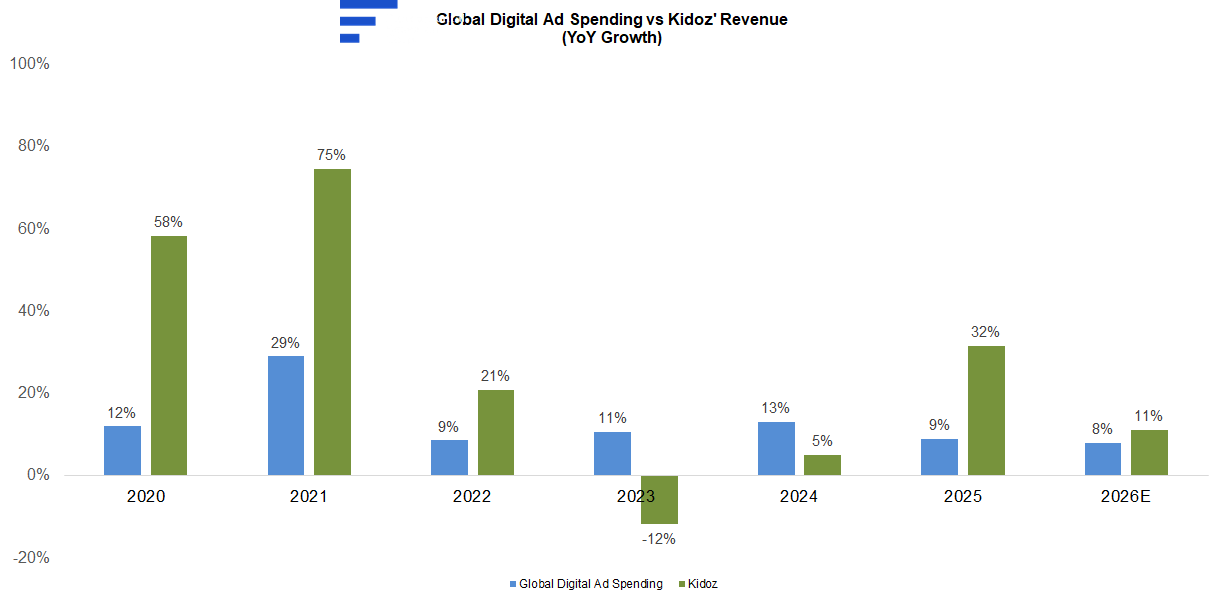
Historically, we estimate that KDOZ's revenue growth outpaced global digital ad spending growth by 2.1x on average
Source: FRC / Various
Financials
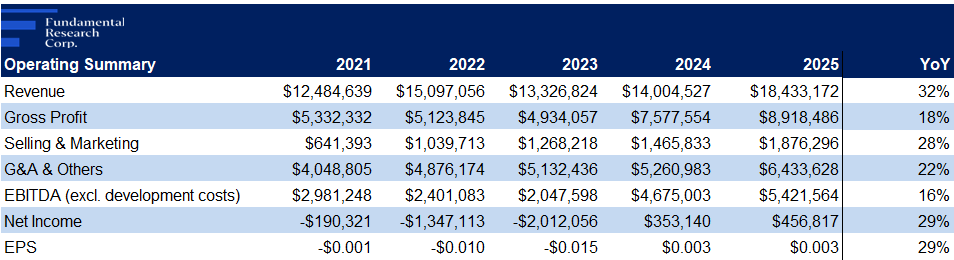
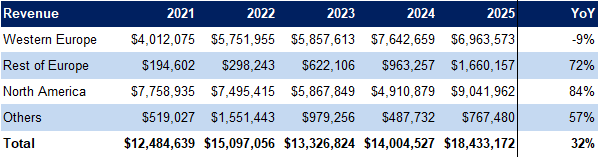
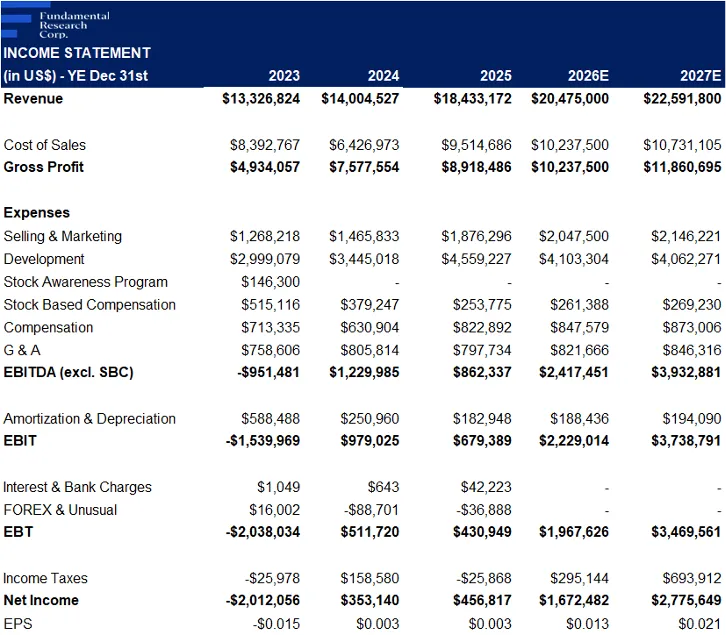
2025 revenue was up 32% YoY, to a record high of $18M, 3% above our estimate
Source: FRC / Company
North America accounted for 49% of revenue, up from 35% in 2024
Gross margins fell 6 pp YoY to 48%, 5 pp below our forecast, due to shifting prioritisation of higher volume /lower-margin revenue. We are lowering our near and long-term margin forecasts accordingly. Note that the advertising industry’s average gross margin is ~38%, compared to ~40–60% for digital ad companies, indicating Kidoz remains within the broader industry range.
Gross margins compressed 5 pp YoY
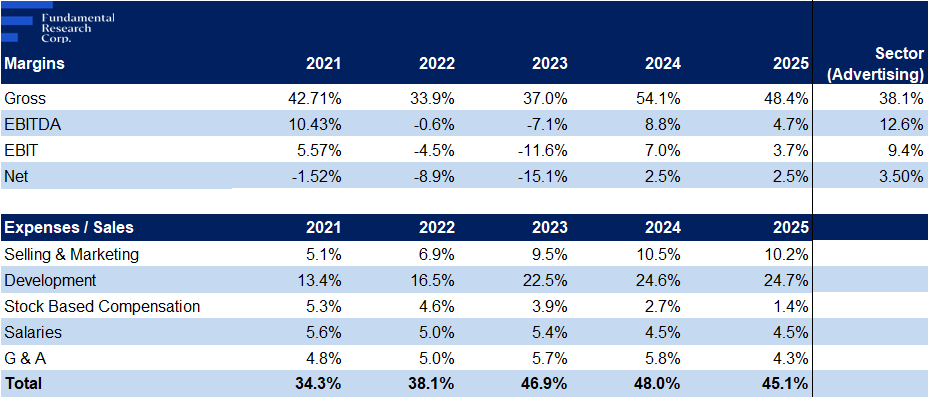
G&A, development, and other expenses rose 27% YoY, in line with our estimate, mainly due to higher staff and infrastructure costs, to support growth and increased R&D spending on AI integration; a strategic investment we view positively for competitiveness
In our view, stronger-than-sector revenue growth in 2025 suggests the company’s R&D investments are proving effective

Higher revenue, partially offset by higher costs, drove EPS up 29% YoY to $0.003, vs our $0.008 forecast
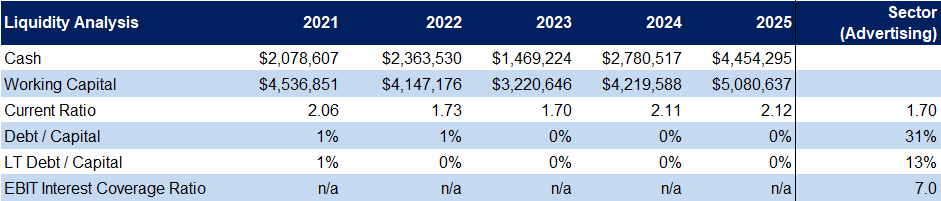
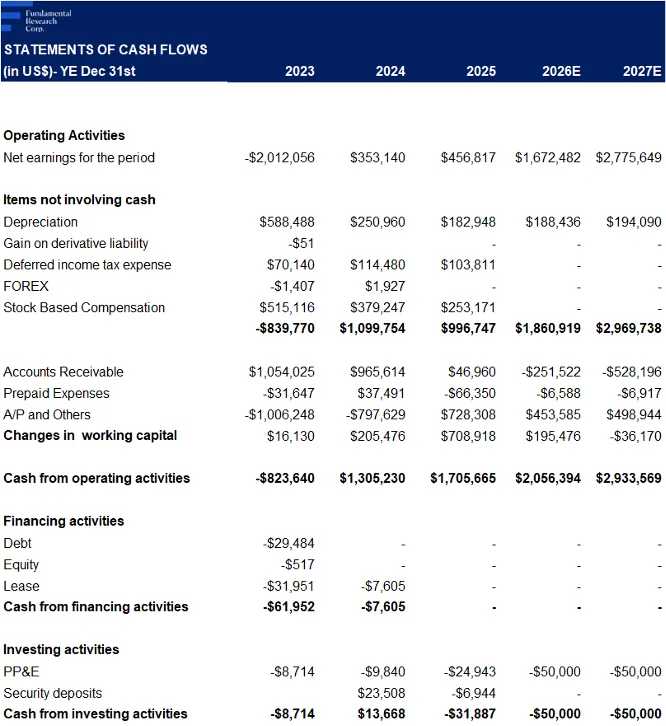
Free cash flows were up 27% YoY
Source: FRC/Company
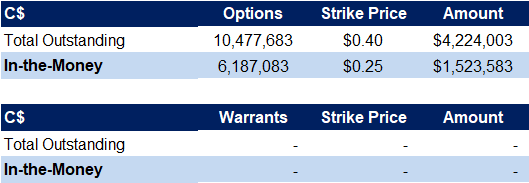
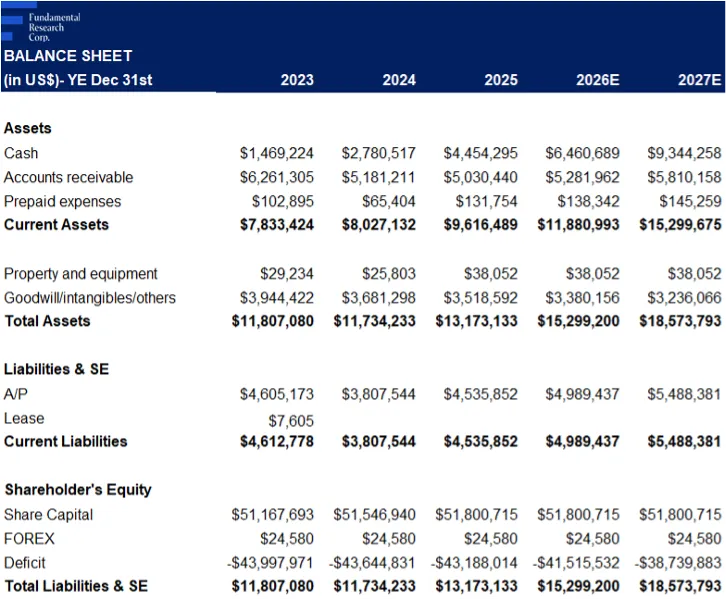
Balance sheet remains healthy with zero debt; as the company is profitable, we see no need for financing or potential share dilution
FRC Projections and Valuation
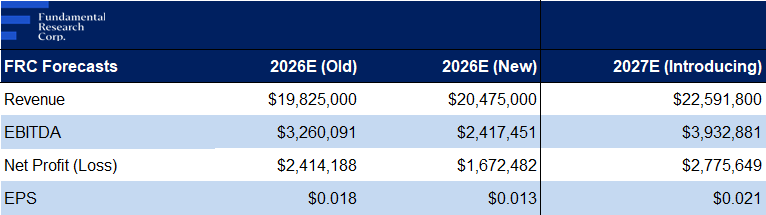
We are raising our short- and long-term revenue forecasts, supported by a strong Q4, and robust ad outlook, while lowering EPS forecasts due to gross margin pressure
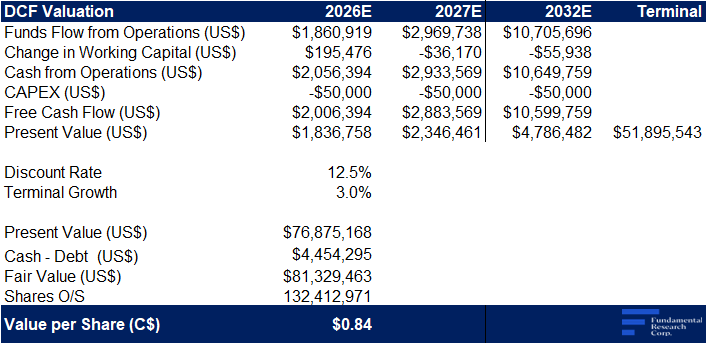
Source: FRC
As a result, our DCF valuation declined from $0.90 to $0.84/share
Digital AdTech Companies
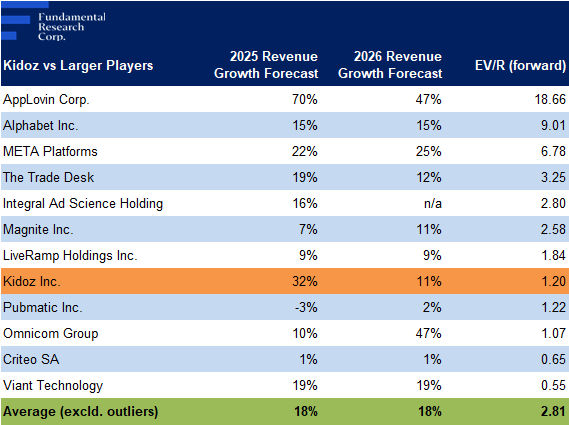
Source: S&P Capital IQ / FRC
KDOZ is trading at 1.20x forward EV/Revenue (previously 1.46x), but still below the sector average of 2.81x (previously 2.54x), a 58% discount
Our comparables valuation increased from $0.51 to $0.64/share, driven by a higher sector multiple, and a stronger 2026 revenue outlook
We are reiterating our BUY rating, and raising our fair value estimate from $0.70 to $0.74/share (the average of our DCF and comparables valuations). KDOZ delivered record revenue growth, and continued strong cash generation, supported by disciplined balance sheet management. While margins came under pressure from a deliberate shift toward higher-volume sales, we view this as a trade-off for scale, and long-term growth, with valuation remaining attractive versus comparables.
Risks
We believe the company is exposed to the following key risks:
Maintaining our risk rating of 4 (Speculative)
APPENDIX



.webp&w=128&q=75)


.webp&w=128&q=75)

Discussion
Comments reflect the views of individual users, not FRC. Nothing posted in the comments section — by users or otherwise — should be taken as investment advice.