

Disclosure: Global Education Communities Corp. has paid FRC a fee for research coverage and distribution of reports. This fee creates a potential conflict of interest which readers should consider. See last page for other important disclosures, rating, and risk definitions.
Price and Volume (1-year)
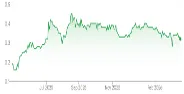

* Global Education Communities has paid FRC a fee for research coverage and distribution of reports. See last page for other important disclosures, rating, and risk definitions. All figures in C$ unless otherwise specified.
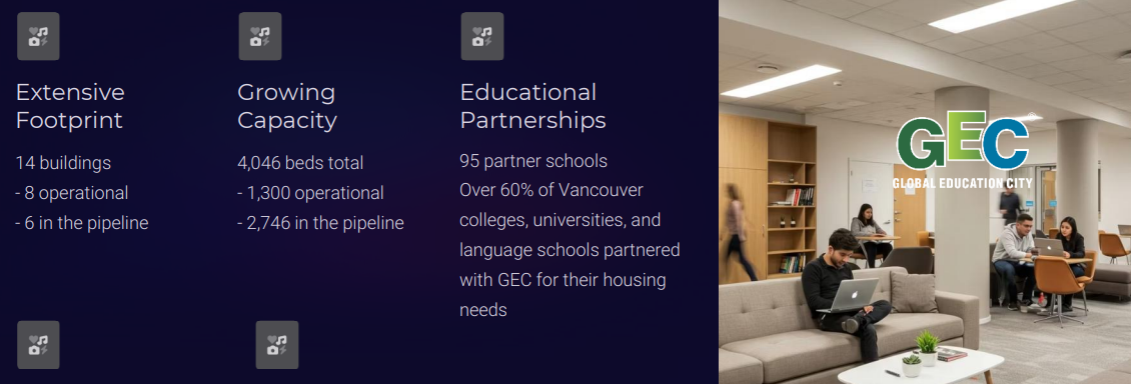
GEC operates B.C.’s largest off campus student housing platform, comprising 14 buildings, eight currently operating and six under development
Student Housing Portfolio Overview
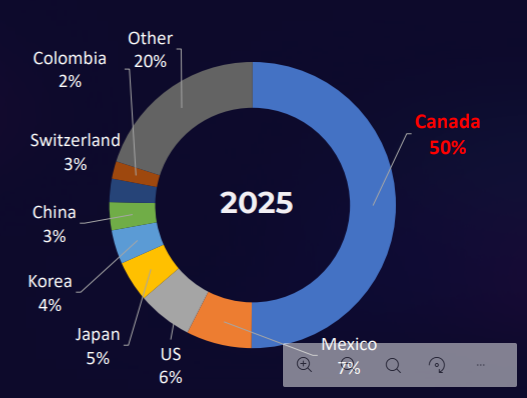
Student Housing Demographics
Rental assets offer inflation-protected income, with low volatility, making them attractive to pension funds and institutions
Source: Company
Per Q2 financial statements, GEC projects were appraised at $310M, up 1% QoQ
Several major Canadian REITs have recorded property write-downs over the past 12 months, largely due to softer market rents, and valuation pressures. With rents and property values expected to recover modestly in 2026, we believe GEC is well positioned to report valuation gains. These gains should be further supported, as ongoing development projects reach completion.
Operating Projects
Source: Company
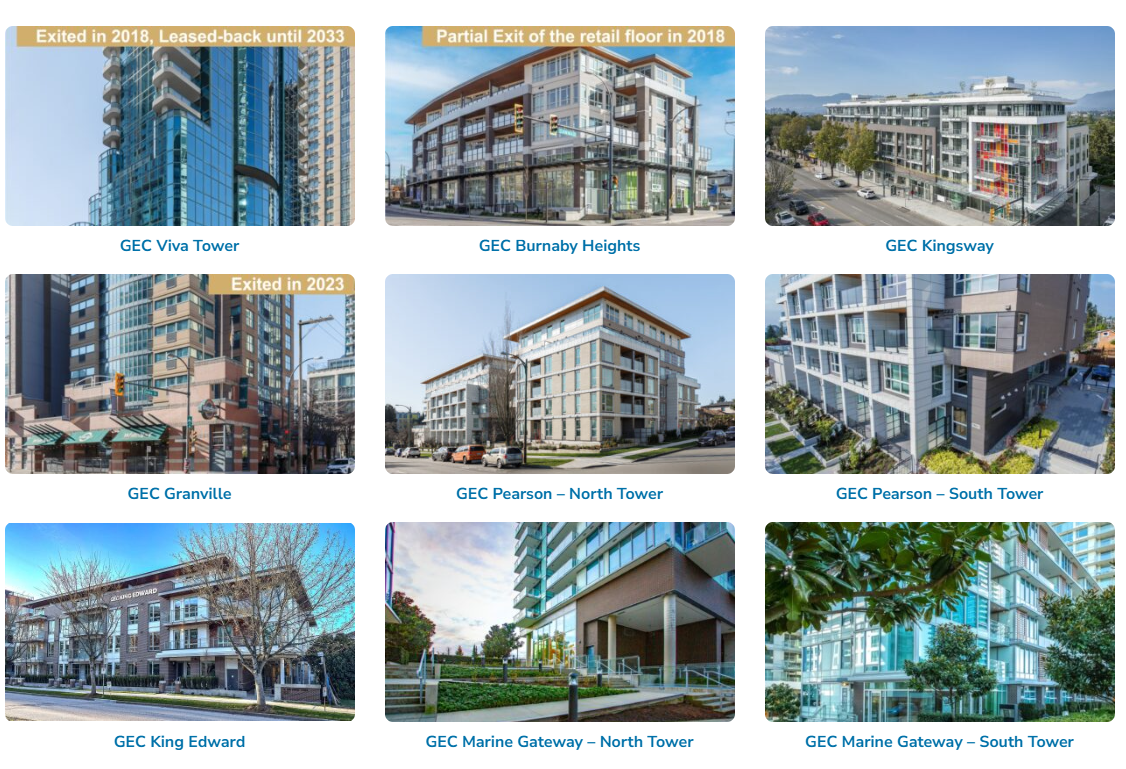
Eight operating buildings across six projects (1,232 beds)
GEC holds minority interests, and acts as project operator across all properties
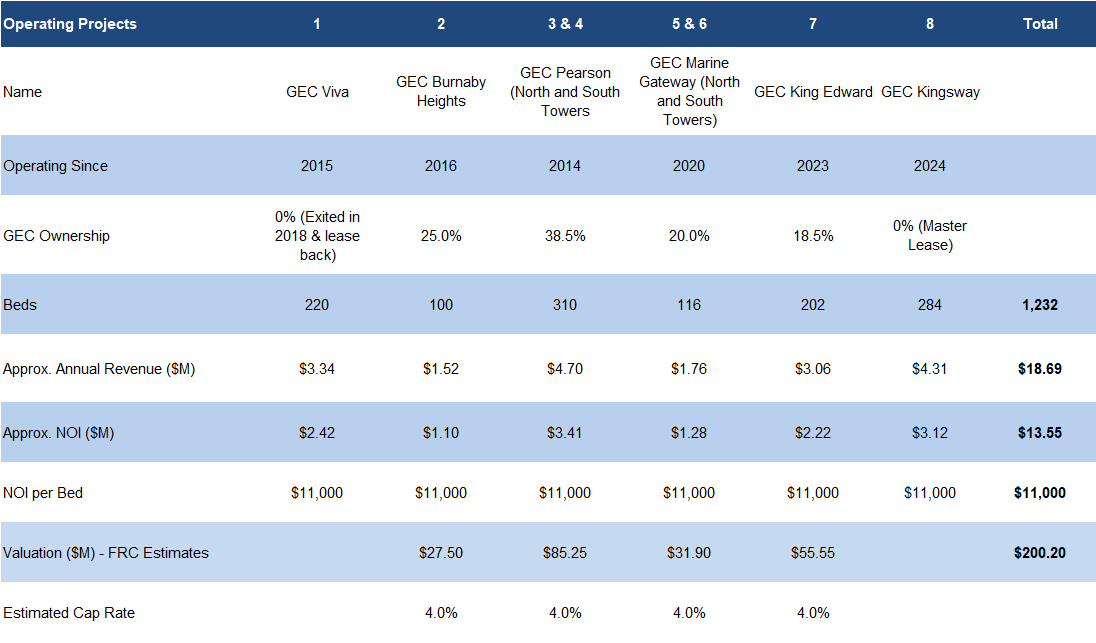
Potential to generate $14M in NOI, or $11k/bed in NOI per year
Source: Company/FRC
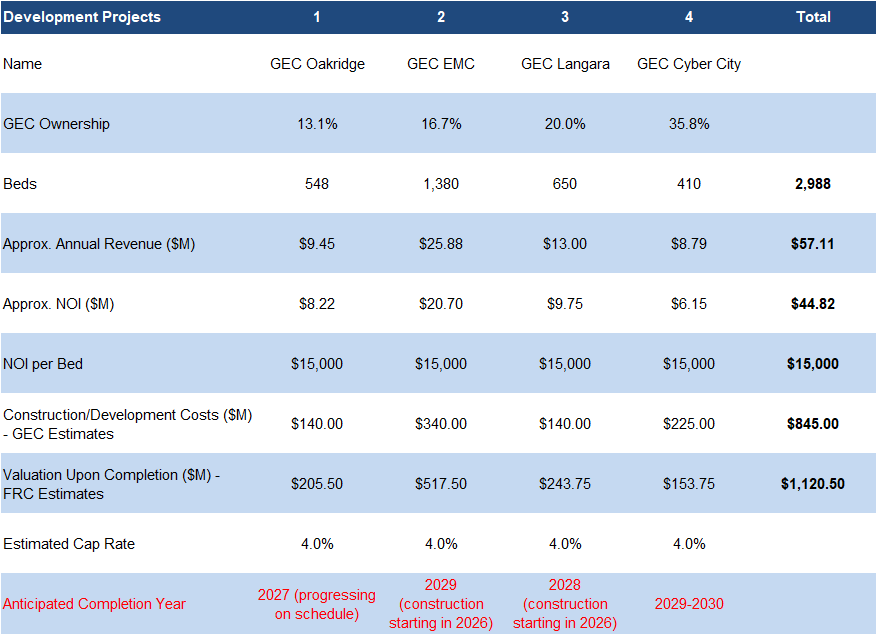
Developing six buildings across four projects (2,988 beds)
We are projecting $45M in NOI, or $15k/bed per year
At a 4% cap rate, we value these projects at $1.12B upon completion, unchanged from our report in January 2026
Target completion is 2027–2030; we note that real estate development projects are often subject to permitting/financing delays
Financials
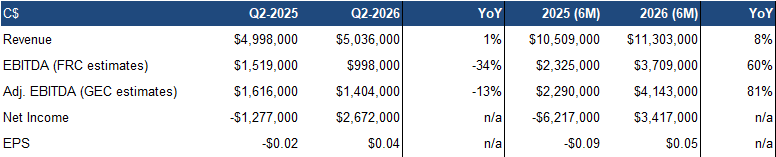
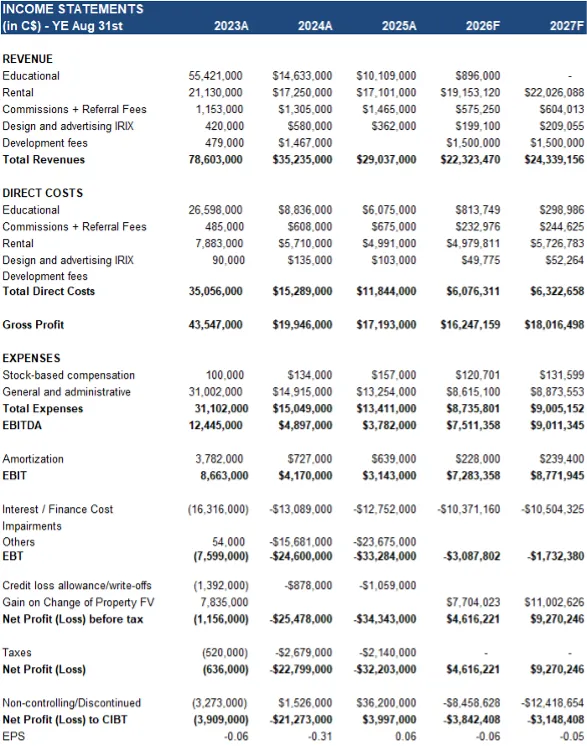
Q2 revenue rose 1% YoY, missing our estimate by 4%, driven by 10% growth in the flagship rental business, partially offset by weaker revenue from non-core divisions
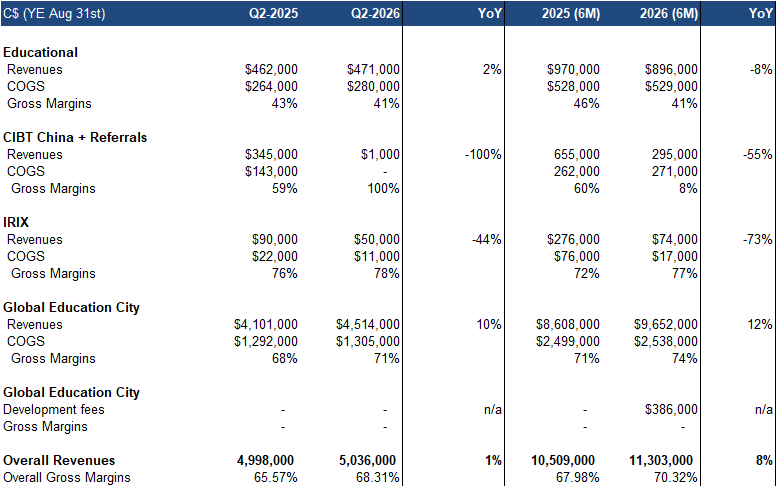
Rental revenue, which made up 90% of total revenue (Q2 2025: 82%), grew with contributions from recently completed projects
Gross margins rose 2.7 pp to 68.3%, beating our estimate by 2.1 pp, driven by higher rental business margins

G&A expenses rose 39% YoY, primarily due to elevated one-time professional fees from recent divestments, driving a 13% YoY decline in adjusted EBITDA, missing our estimate by 2%
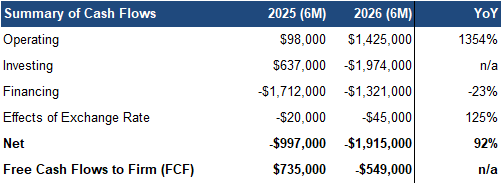
Source: FRC / Company
However, EPS improved YoY from ($0.02) to $0.04, beating our estimate by 15%, driven by lower interest rates on debt
Source: FRC / Company
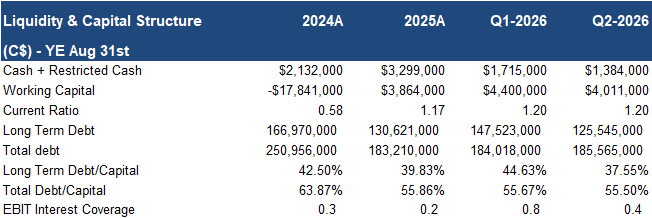
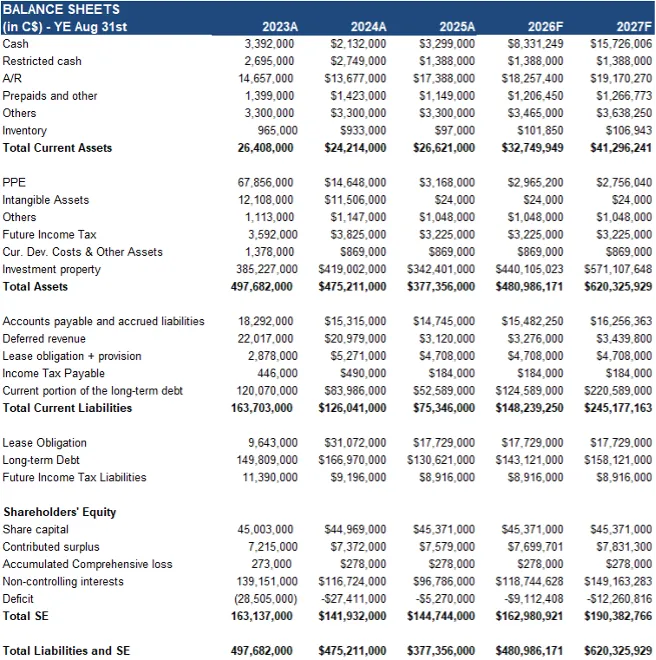
Debt-to-capital remained above the sector average (56% vs. 46%), but this is expected to improve once development projects are completed
Sector Multiples and Ratios
Source: S&P Capital IQ, FRC
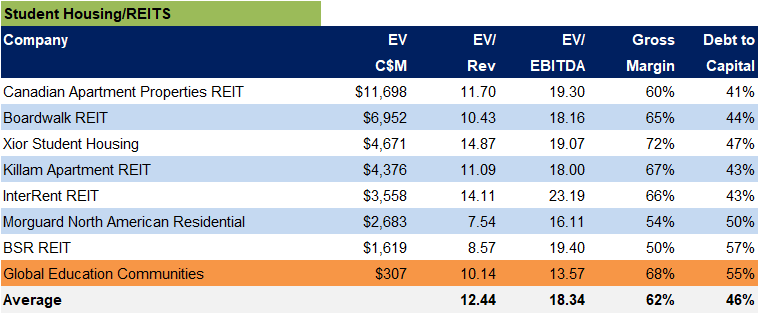
GEC is trading at 10x forward revenue vs 12x for the REIT sector, and 14x forward EBITDA (sector: 18x), a 22% discount on average
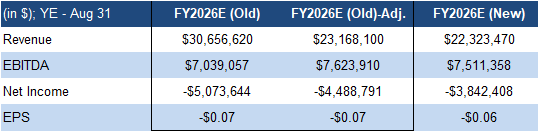
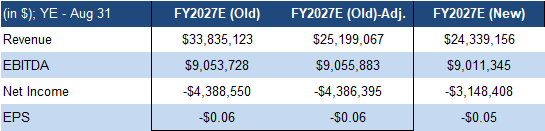
* Adjusted to reflect the recent divestiture of the remaining Canadian educational assets
Source: FRC
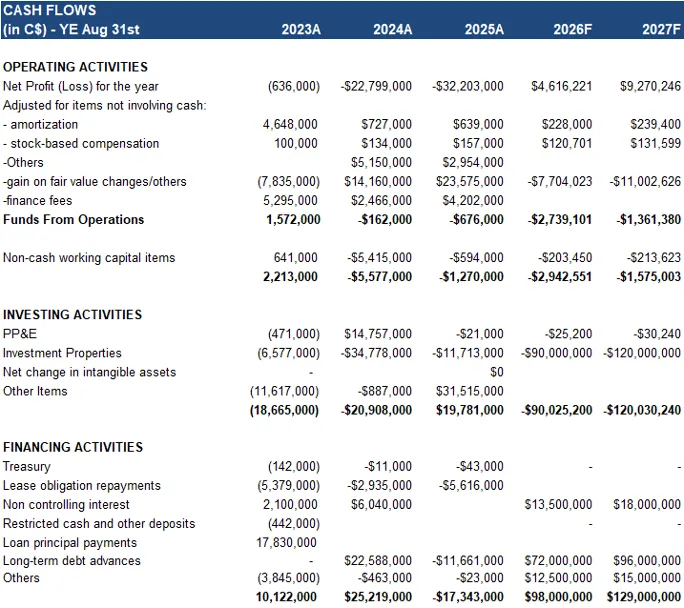
We are raising our EPS estimates, driven largely by lower than expected interest expense reported in Q2, partially offset by the removal of contributions from the recently divested assets
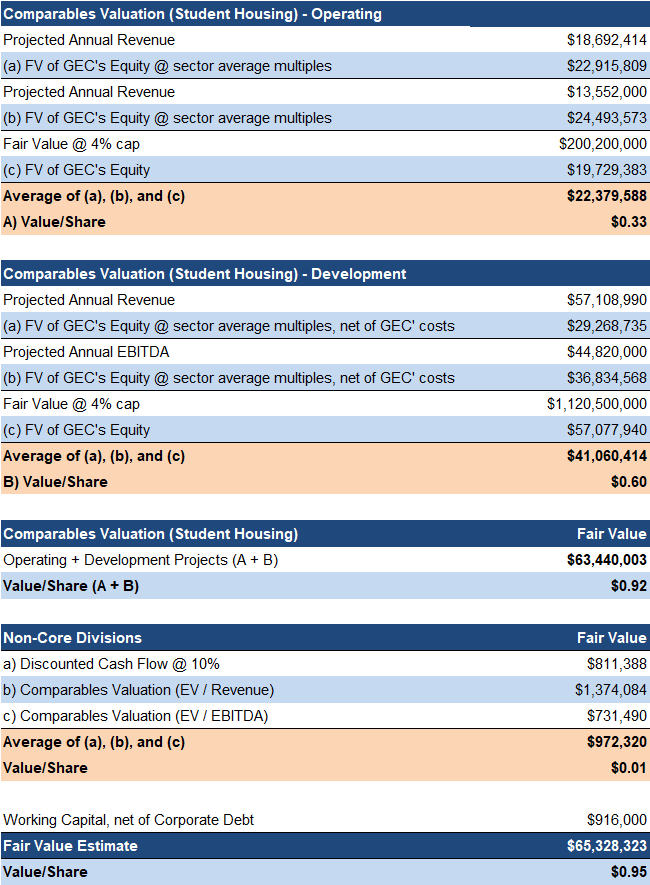
Source: FRC
However, our fair value estimate declined from $1.11 to $0.95/share, reflecting the $2M sale of divested assets, below our
prior valuation of $8M
We are reiterating our BUY rating, and adjusting our fair value estimate from $1.11 to $0.95/share. GEC delivered mixed operating results, with an EPS beat, and margin expansion, offset by weaker non-core revenue, while strategically advancing its transition into a pure-play student housing platform. We remain constructive on the strong structural support from Vancouver housing fundamentals, with potential upside from tight supply conditions .
Risks
We believe the company is exposed to the following risks:
Maintaining our risk rating of 3 (Average)
APPENDIX

.webp&w=128&q=75)

.webp&w=128&q=75)


Discussion
Comments reflect the views of individual users, not FRC. Nothing posted in the comments section — by users or otherwise — should be taken as investment advice.