
Disclosure:
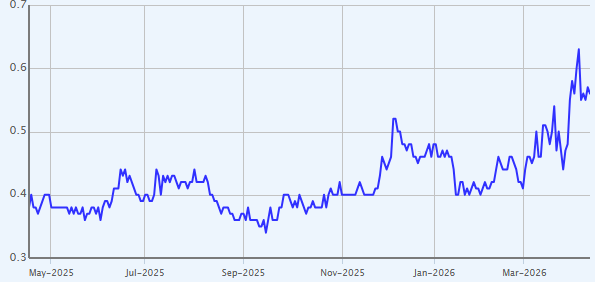
Price and Volume (1-year)
* Brookside Energy has paid FRC a fee for research coverage and distribution of reports. See last page for other important disclosures, rating, and risk definitions. All figures in A$ except commodity prices, which are in US$.
BRK’s portfolio sits within the Anadarko Basin, which covers ~58,000 sq miles (150,200km²)
Portfolio Overview
Key Targets in the Anadarko Basin , Oklahoma
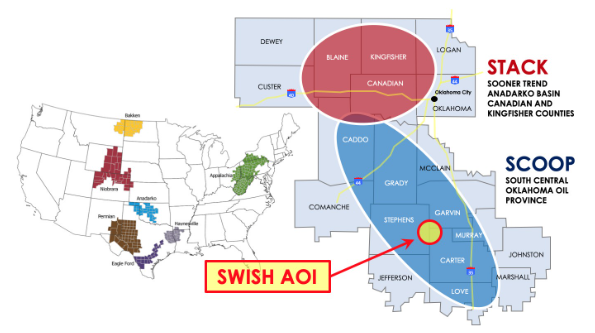
A mature basin revived by horizontal drilling and fracking
Horizontal drilling + fracking has transformed oil production by boosting output, improving recovery, and unlocking shale resources previously uneconomic
Per various sources, the basin is estimated to host tens of billions of boe in recoverable resources, supporting multiple decades of remaining drilling potential
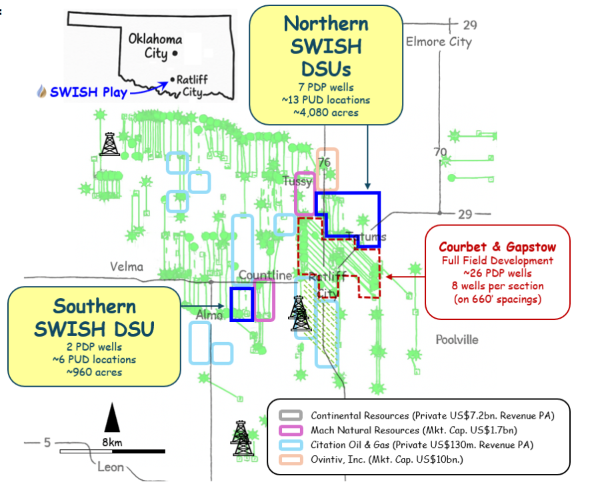
Source: Company
BRK operates nine producing wells (PDP), and 19 proved undeveloped locations (PUDs/planned for future development), across 5,000+ acres
BRK has a 100% success rate, with all nine wells successfully drilled on first attempt
Reserves & Expansion Potential
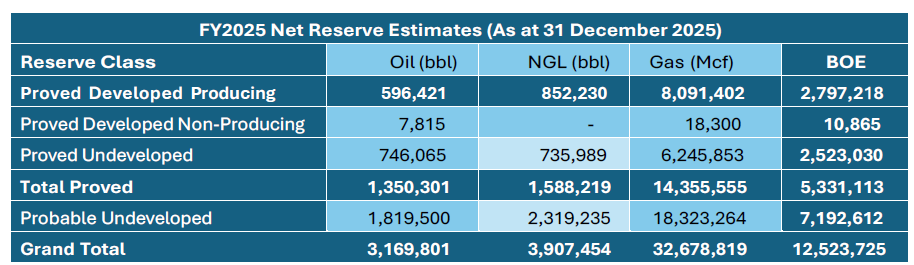
BRK has produced over 3.7 mmboe since 2021
As of December 2025, the portfolio had 12.52 mmboe in reserves, including 2.80 mmboe from the currently producing nine wells, and 19 future drilling locations
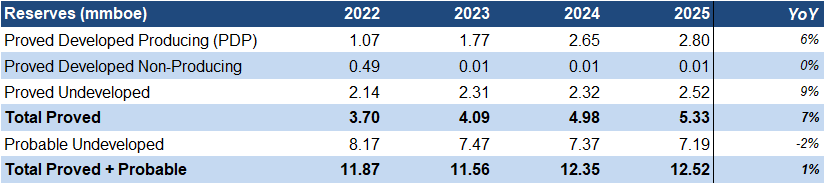
The existing wells are expected to remain productive for ~20 years
Q1 production fell 14% QoQ due to natural decline rates, 9% lower than our estimate
Production Data and Key Metrics
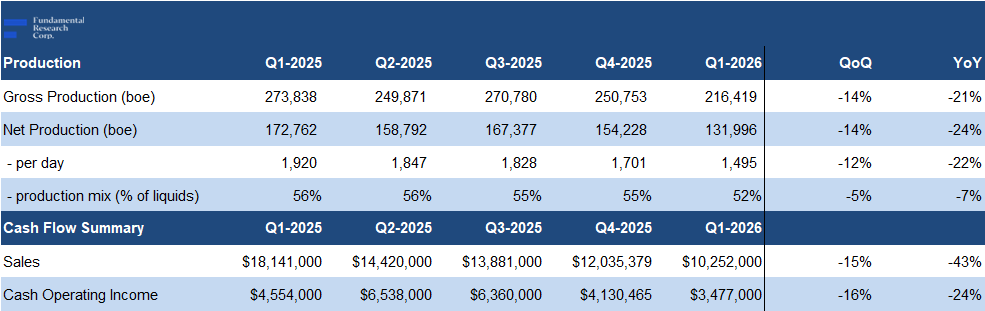
Sales declined 15% QoQ, and cash operating income fell 16% QoQ; both were ~9% below our estimates
Note that decline rates are typically steeper in the initial years, and then flatten to ~10% annually
Source: FRC / Company
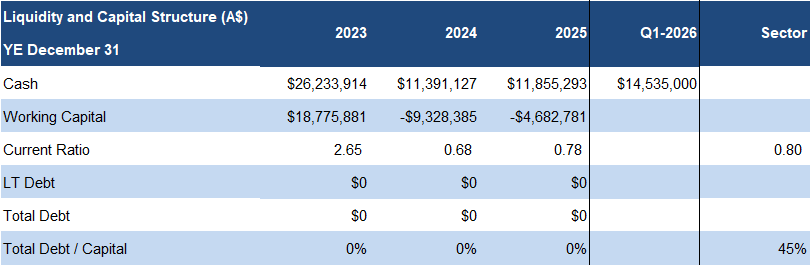
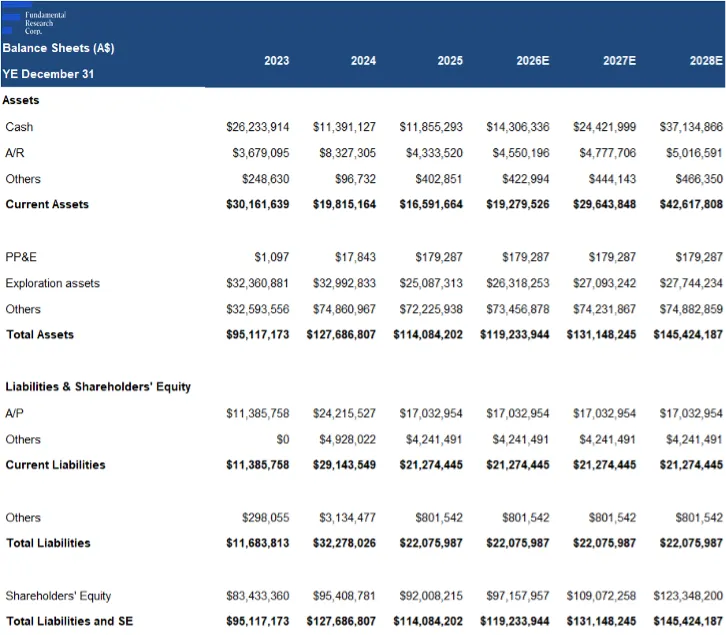
RK ended Q1 with $15M in cash (up 23% QoQ), and access to an undrawn $35M credit facility, providing $50M in available funding
Near-Term Plans & Catalysts
Multiple near-term catalysts with potential to drive production and reserve growth
Oil Price Outlook
Source: FRC / GLJ / Sproule
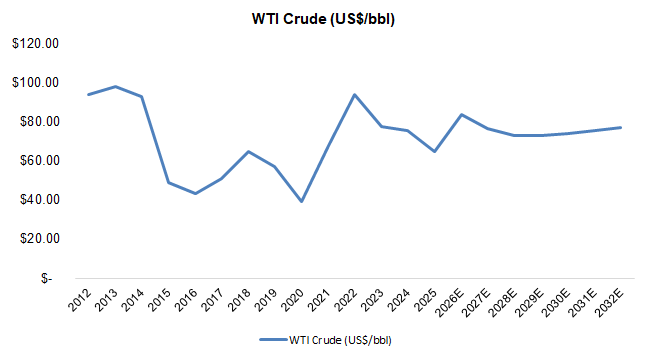
Consensus near and long-term price forecasts remain well above the 10-year average of $64/bbl, suggesting a supportive pricing backdrop for stronger netbacks, and improved economics
BRK vs Junior Oil and Gas Producers
Source: FRC / S&P Capital IQ
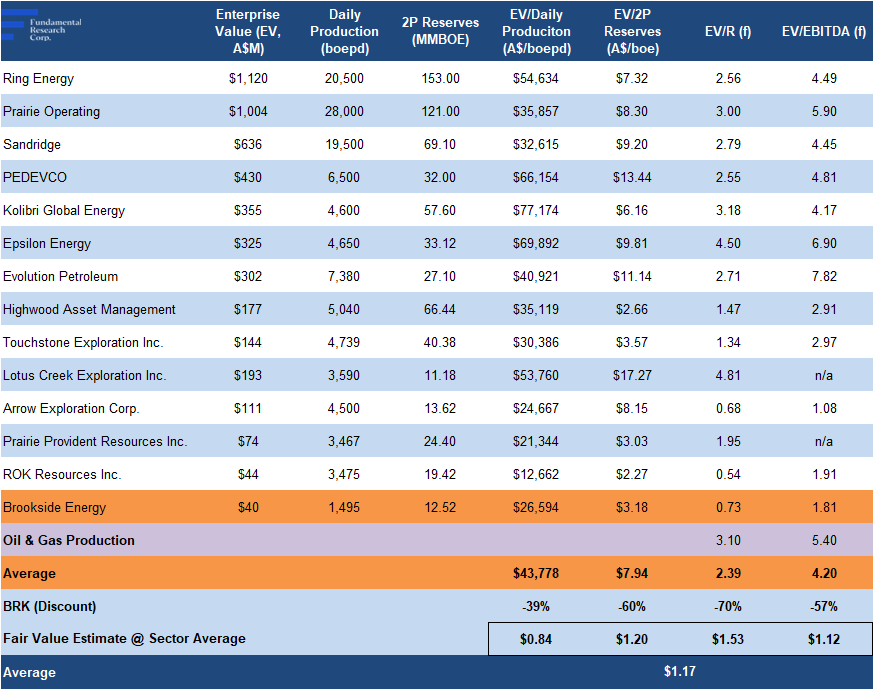
BRK trades at an average discount of 56% to comparables across key metrics
Sector multiples are up 12% since our last report
Applying sector multiples, we arrive at a comparable valuation of $1.17/share (previously $1.12/share), driven by higher sector multiples, partially offset by our lower revenue and EBITDA estimates
FRC Projections and Valuation
Source: FRC
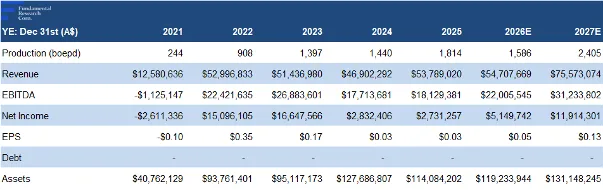
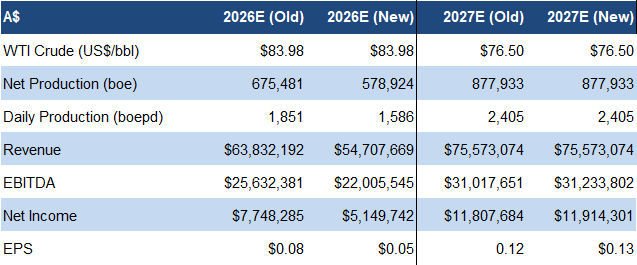
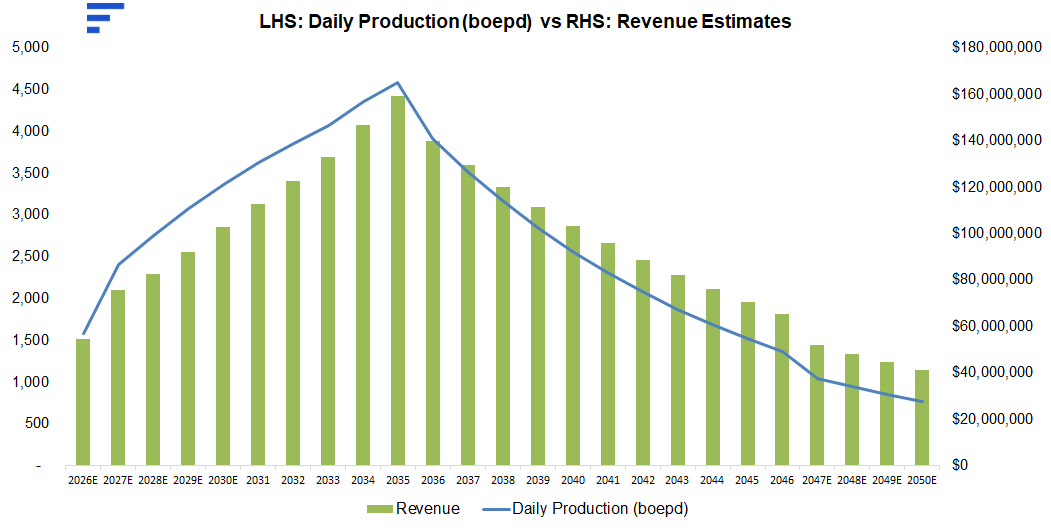
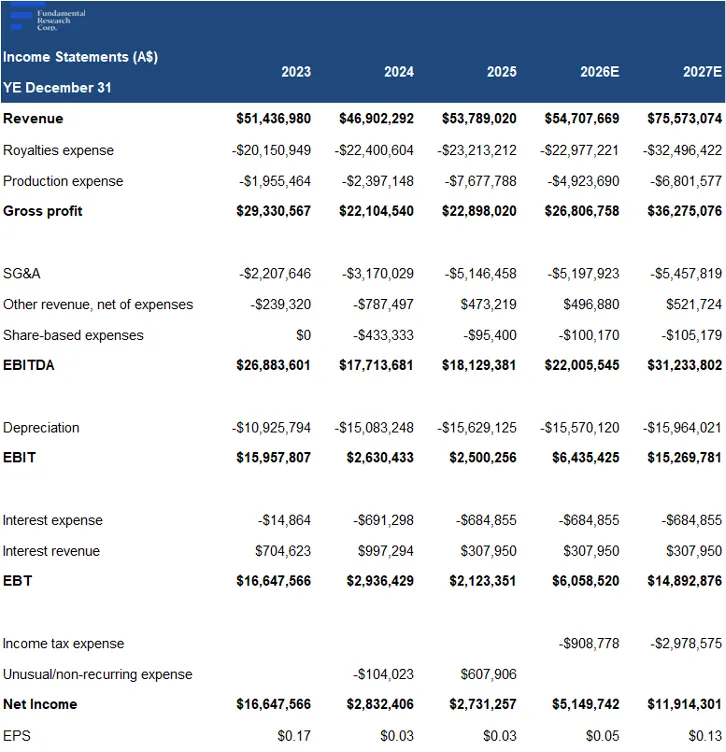
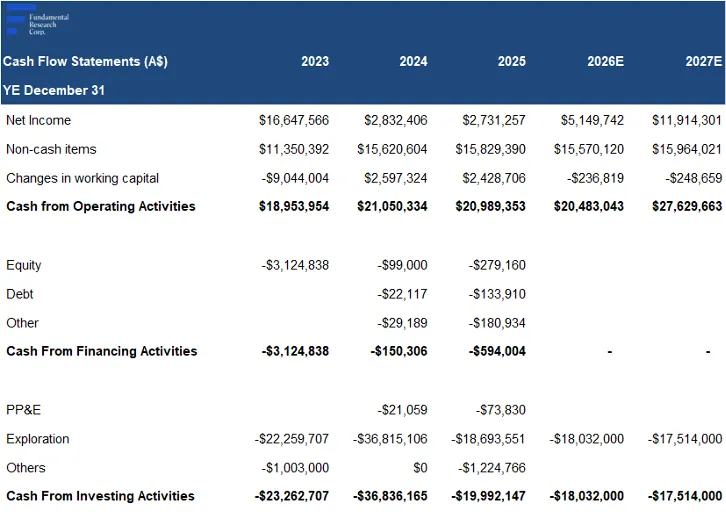
In light of softer-than-expected Q1 production, we are revising down our 2026 revenue and EPS estimates, while leaving our long-term forecasts largely unchanged
As a result, our DCF valuation declined from $2.12 to $2.09/share
We assume two new wells per year, reaching 28 total wells by 2034
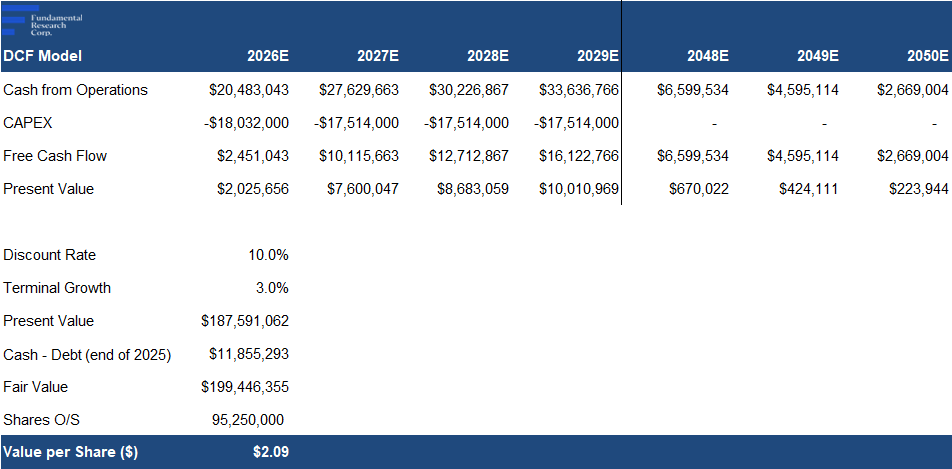
Source: FRC
For conservatism, we assign no value to upside from further development of the Simpson and Caney Shale formations within the existing land position, or from broader regional exploration and development opportunities
We reiterate our BUY rating, and maintain our fair value estimate of $1.62/share (the average of our DCF and comparables valuations). BRK trades at a material discount to peers, presenting an attractive opportunity. Q1 softness reflects natural decline dynamics, rather than structural weakness, while underlying fundamentals remain strong. With a deep resource base, and a robust balance sheet, we believe BRK is well positioned for production growth.
Risks
We believe the company is exposed to the following key risks (not exhaustive):
We are maintainingour risk rating of 3 (Average)
APPENDIX
.webp&w=128&q=75)
.webp&w=128&q=75)

.webp&w=128&q=75)



Discussion
Comments reflect the views of individual users, not FRC. Nothing posted in the comments section — by users or otherwise — should be taken as investment advice.