

Disclosure: Energy Vault Holdings, Inc. has paid FRC a fee for research coverage and distribution of reports. This fee creates a potential conflict of interest which readers should consider. See last page for other important disclosures, rating, and risk definitions.
Price and Volume (1-year)
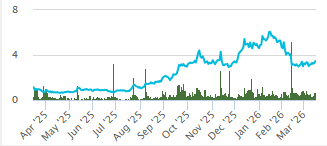

* Energy Vault Holdings has paid FRC a fee for research coverage and distribution of reports. See last page for other important disclosures, rating, and risk definitions. All figures in US$ unless otherwise specified.
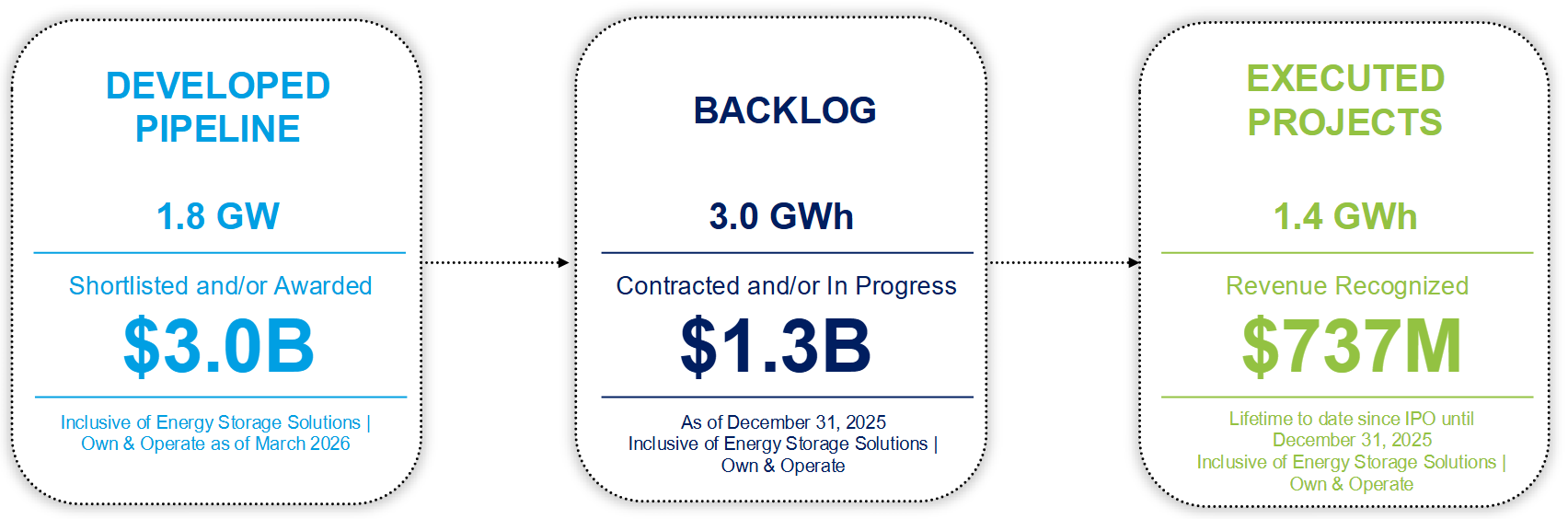
By the end of 2025, NRGV had $1.3B in contracted backlog (Q3: $0.9B), and $3B in its pipeline (Q3: $2.1B), largely driven by tolling revenue from company-owned projects
Project Pipeline
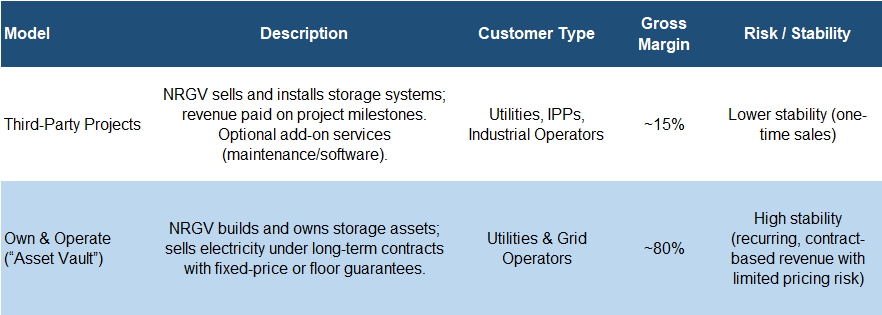
Business Model
Source: Company / FRC
Low-margin third-party vs high-margin recurring Asset Vault revenue
Key Recent Developments:
Asset Vault Structure & Economics
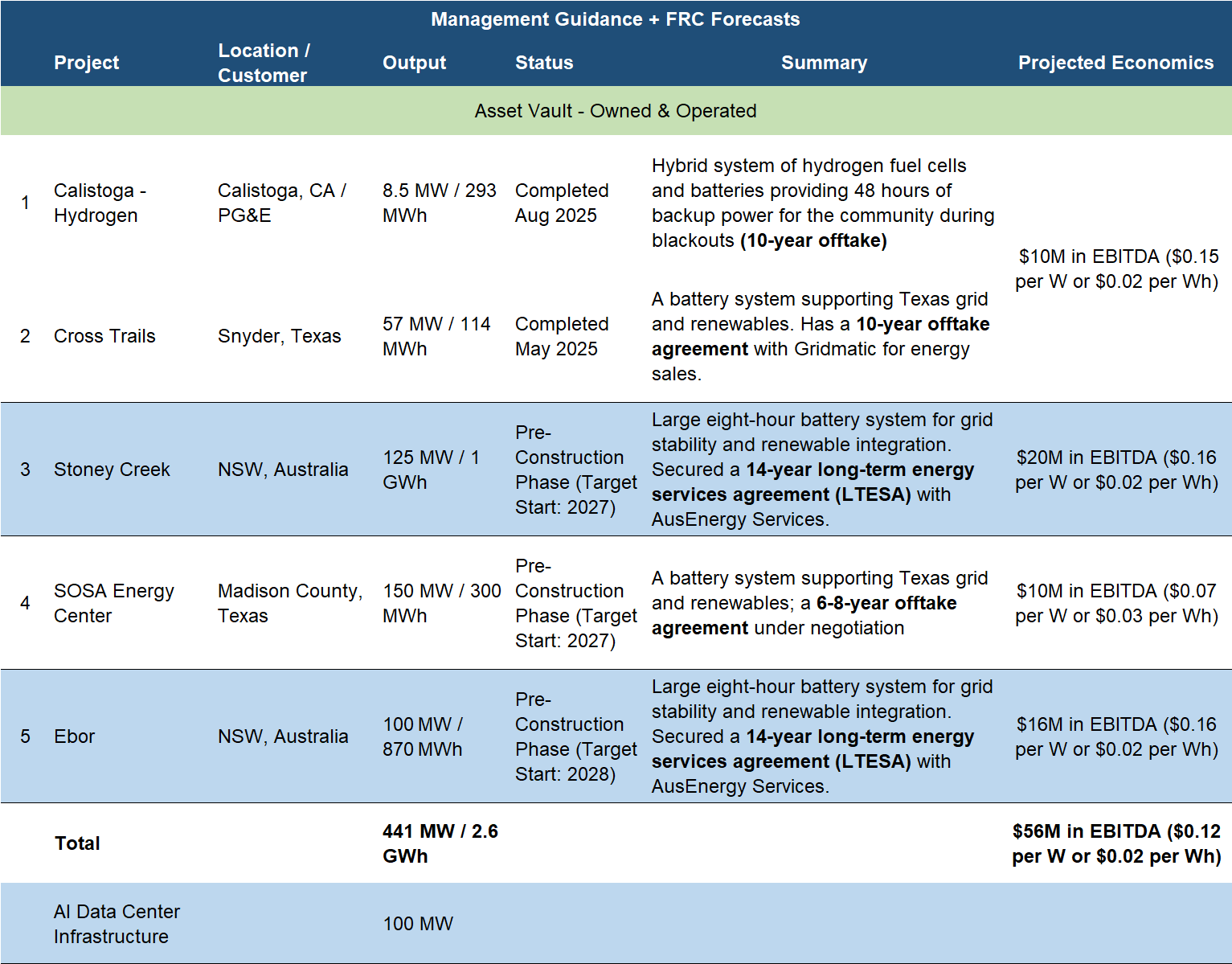
*Project economics depend on storage duration; duration refers to how long a system can supply power ; longer-duration projects earn more EBITDA per MW (e.g., Sosa: two-hour → $0.07/W, Stoney Creek: eight-hour → $0.16/W)
*CAPEX to build a system is ~$0.30/Wh in the U.S. , and ~$0.20/ Wh outside the U.S.
Source: Company / FRC
Asset Vault targets $100–$150M in annual recurring EBITDA within four years across 1.5 GW, with the five current projects (441 MW) expected to generate $50-$60M EBITDA (~$0.12/W)
Financials
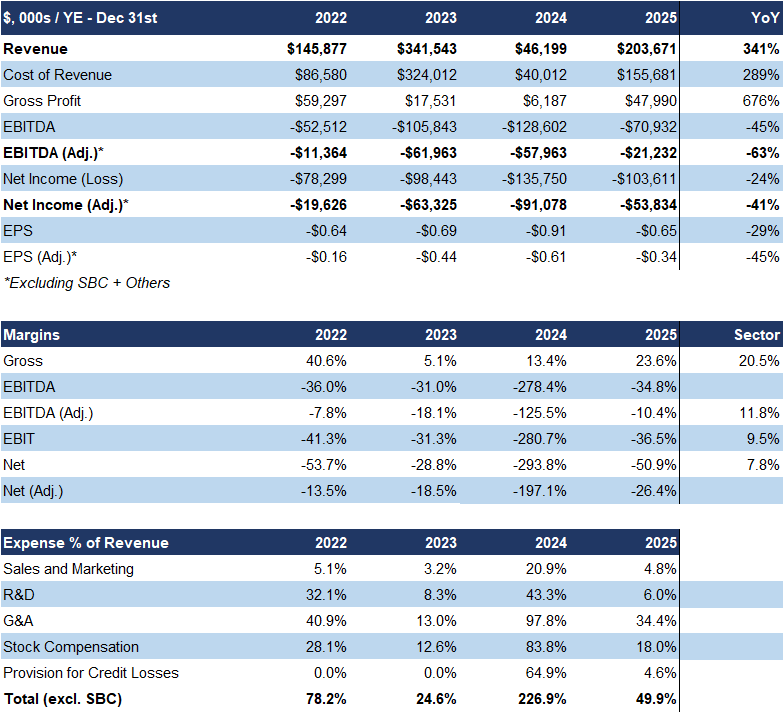
2025 revenue, dominated by third-party deployment projects, up 341%, beating our estimate by 7%
Gross margins improved 10 pp to 24%, exceeding our estimate by 8 pp, due to a higher mix of higher-margin project deployments
Operating expenses were down 12% YoY, and came in 10% above our estimate
Adj. EPS improved from ($0.61) to ($0.34) vs our estimate of ($0.35)
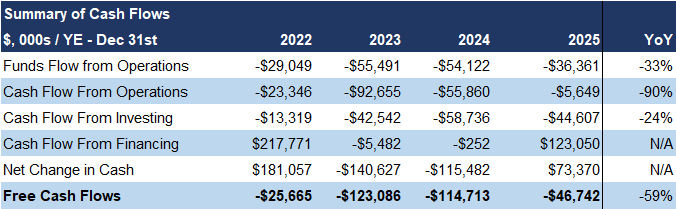
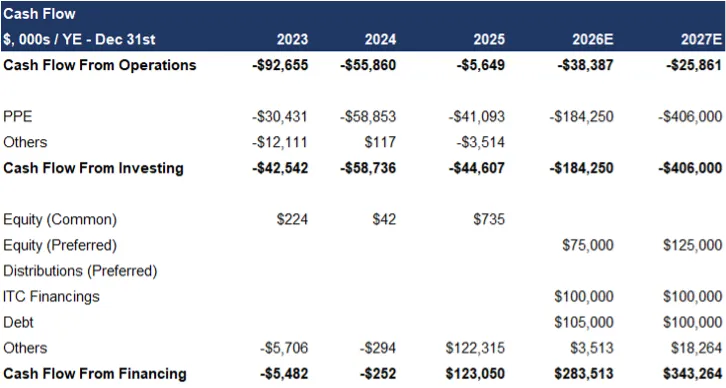
Free cash flows improved as well
Source: FRC / Company
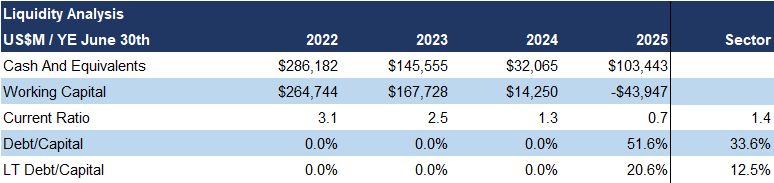
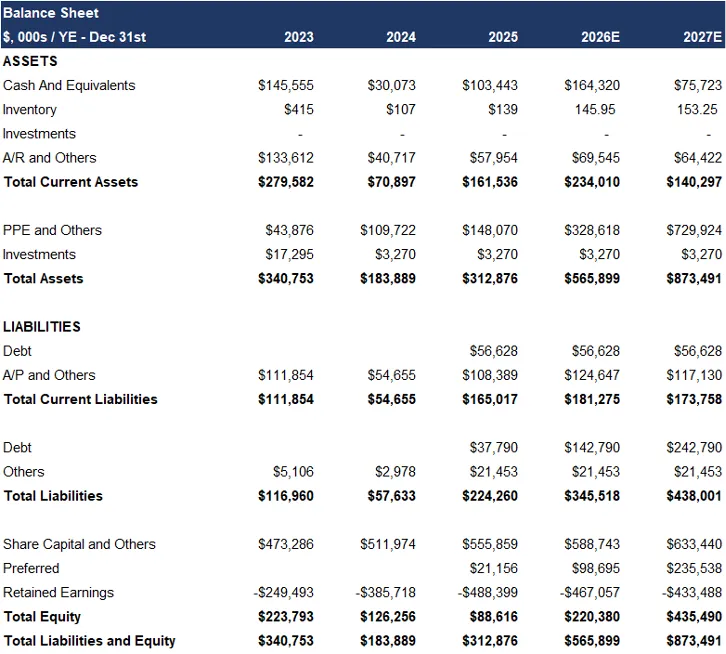
At the end of 2025, the company had $103M in cash
In Q1-2026, the company closed a $150M debt financing, and used part of the proceeds to pay down higher-rate debt, effectively reducing financing costs
FRC Valuation and Rating
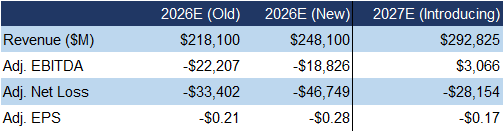
Given stronger-than-expected revenue, and management’s upbeat guidance, we are raising our revenue forecast, but lowering our EPS forecast, due to higher-than-expected operating expenses
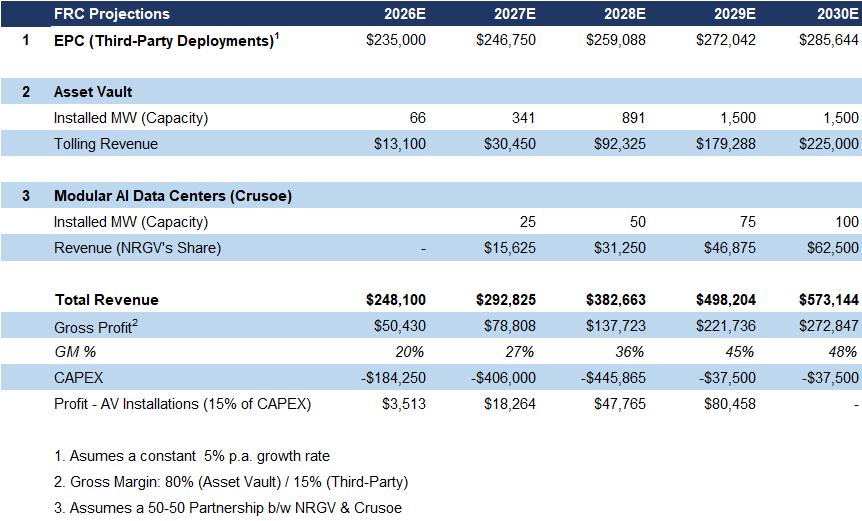
Source: FRC
We are raising our longer-term revenue forecasts following the company’s recent AI-related data center initiatives
We anticipate ongoing project additions for Asset Vault, growing total capacity to 1.5 GW by 2029 (unchanged)
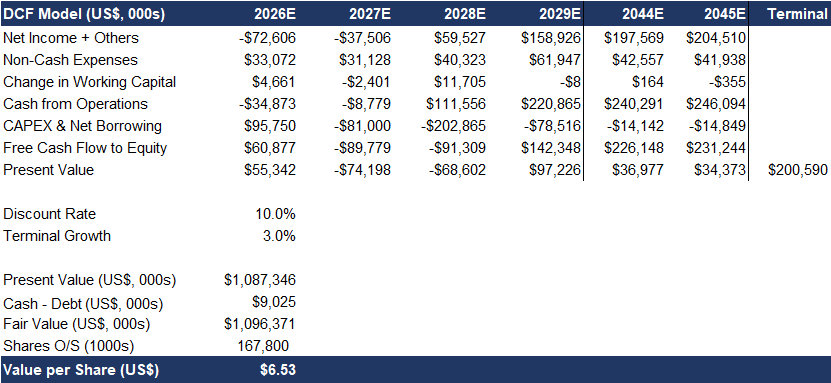
Source: FRC
As a result of the above changes, our DCF valuation increased from $4.91 to $6.53/share
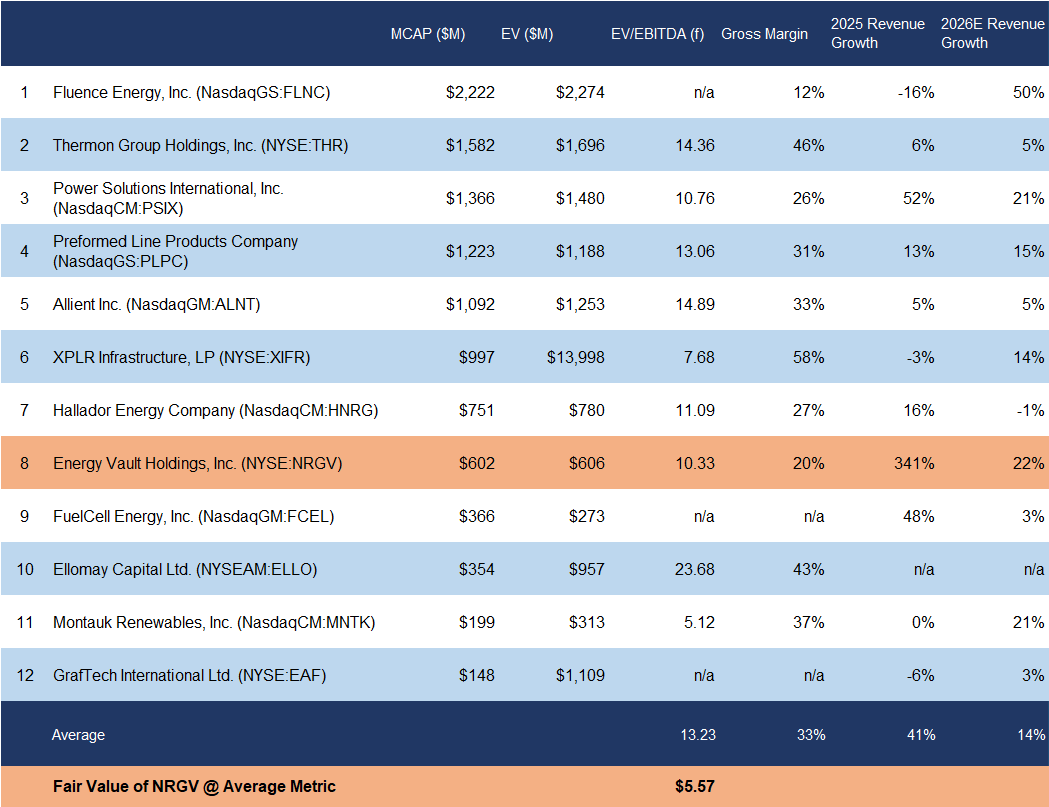
*We use the present value of our 2029 EBITDA estimate on NRGV in this calculation.
Source: FRC / S&P Capital IQ
NRGV is trading at 10.3x forward EBITDA (previously 13.2x) vs the sector average of 13.2x (previously 15.2x); applying the sector multiple yields a comparables valuation of $5.57/share (previously $5.47/share)
We are reiterating our BUY rating , and adjusting our fair value estimate from $5.19 to $6.05/share (the average of our DCF and comparables valuations). NRGV delivered a strong 2025, with revenue and EPS beats, a growing backlog, and positive Q4-EBITDA, underscoring momentum across both third-party deployments, and the Asset Vault platform. With the stock trading at a 22% discount to peers , and our increased DCF valuation, we see meaningful upside potential .
Risks
We believe the company is exposed to the following key risks (not exhaustive):
While the company operates in a relatively low-risk market with potential for long-term steady cash flow, we believe its early-stage deployment of energy storage projects warrants a risk rating of 4 (Speculative)
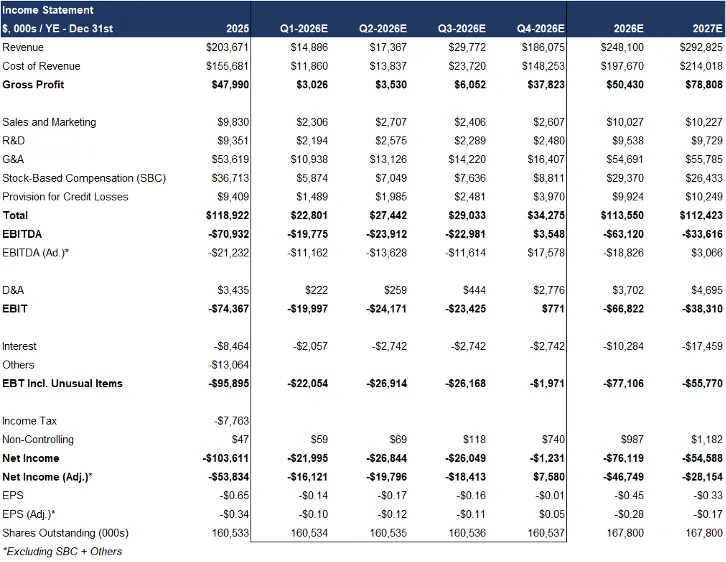
APPENDIX



Discussion
Comments reflect the views of individual users, not FRC. Nothing posted in the comments section — by users or otherwise — should be taken as investment advice.